October 22, 2025

Today in the orchard

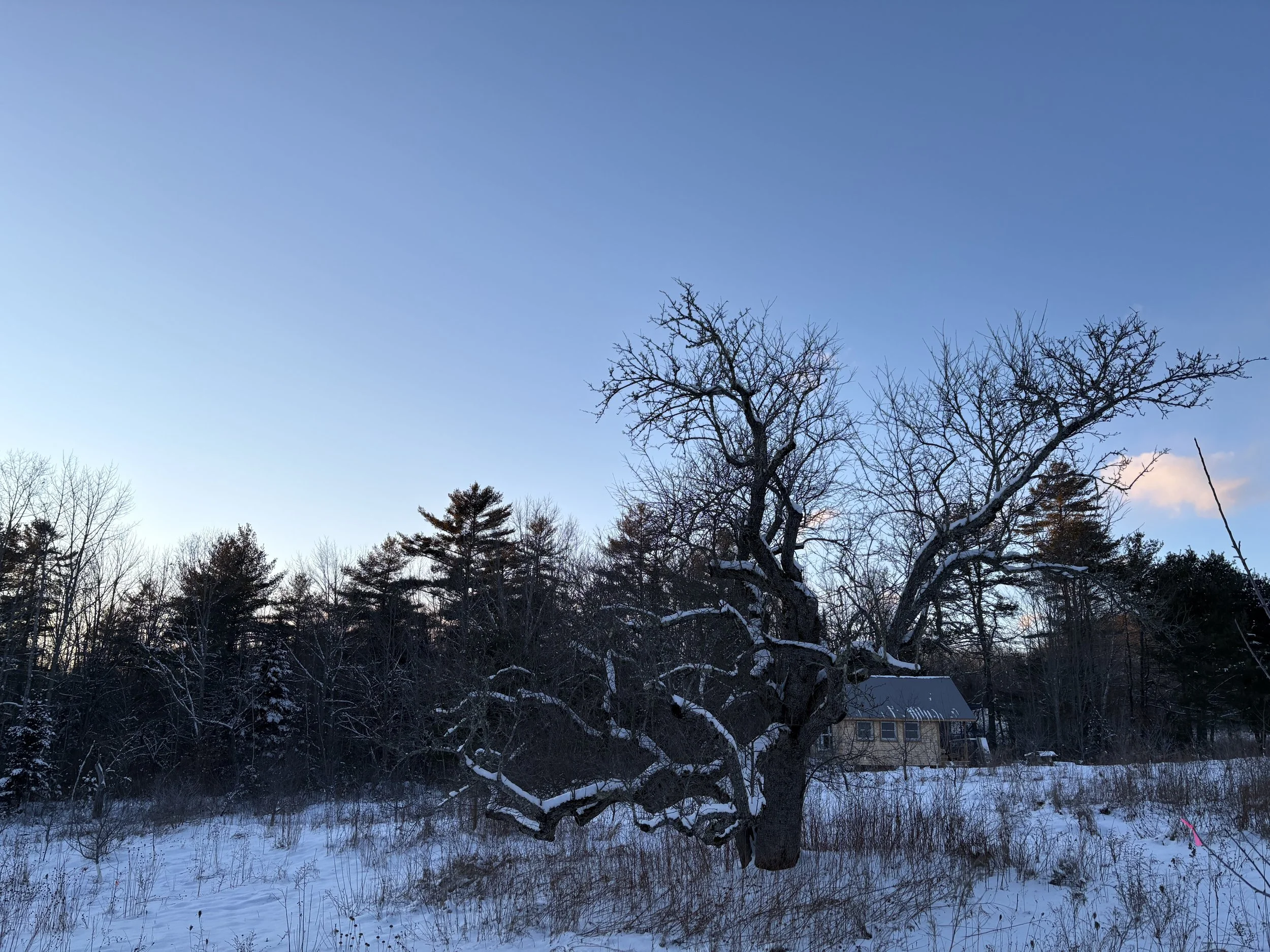
Today was an all-day, apple exploring adventure that focused on Maine’s Franklin County. Along the way we made stops at Colby College (the ancient tree by the Rugby Field), Oakland (the two amazing huge Fallawater trees) and Belgrade (the Spice Sweet tree that got hit by a tractor-trailer truck a decade ago and is now on its last “legs.”) Then we detoured into Somerset County to collect a bag of fruit off the Norridgewock Sweet, my provisional name for a true sweet (low-acid) apple that begs to be identified. (It might be one of the Northern Sweets.)

It was late morning when we finally headed west on Route 2 into Franklin County. The first stop was the incredible Tolman Sweet tree in New Sharon. (You can see a photo of the tree in the Art of Detection, p. 353.) Hellmut Bitterauf met us at the tree; then we checked out two more of Hellmut and Karen’s oldest trees, both of which have fruit this year. I will attempt to ID them in the next few weeks.

We continued on Rte 2 through Farmington and headed due north up Rte 4 into the heart of Franklin County where we met David King in the parking lot of the Sandy River Shop ’n Save in Phillips. David guided us to three local sites. The first two were interesting, but the third was a winner: the ancient remnants of what was once a huge tree, now nearly dead but still with one small vibrant living branch. There was no fruit; however, there were enough leaves for a DNA profile. Score.  
Then it was up Tory Hill to visit the four, thought-to-be-Deane trees. Michael Rothschild, Wendy and Chee gave us a long tour of their farm. We took leaves from one of their Deane trees to be submitted for DNA analysis. An earlier test with leaves from the Maine Heritage Orchard “Deane” tree matched the Wisconsin apple “Milwaukee.” I’ve been wanting to get leaves directly from the Phillips trees, and this was my opportunity.

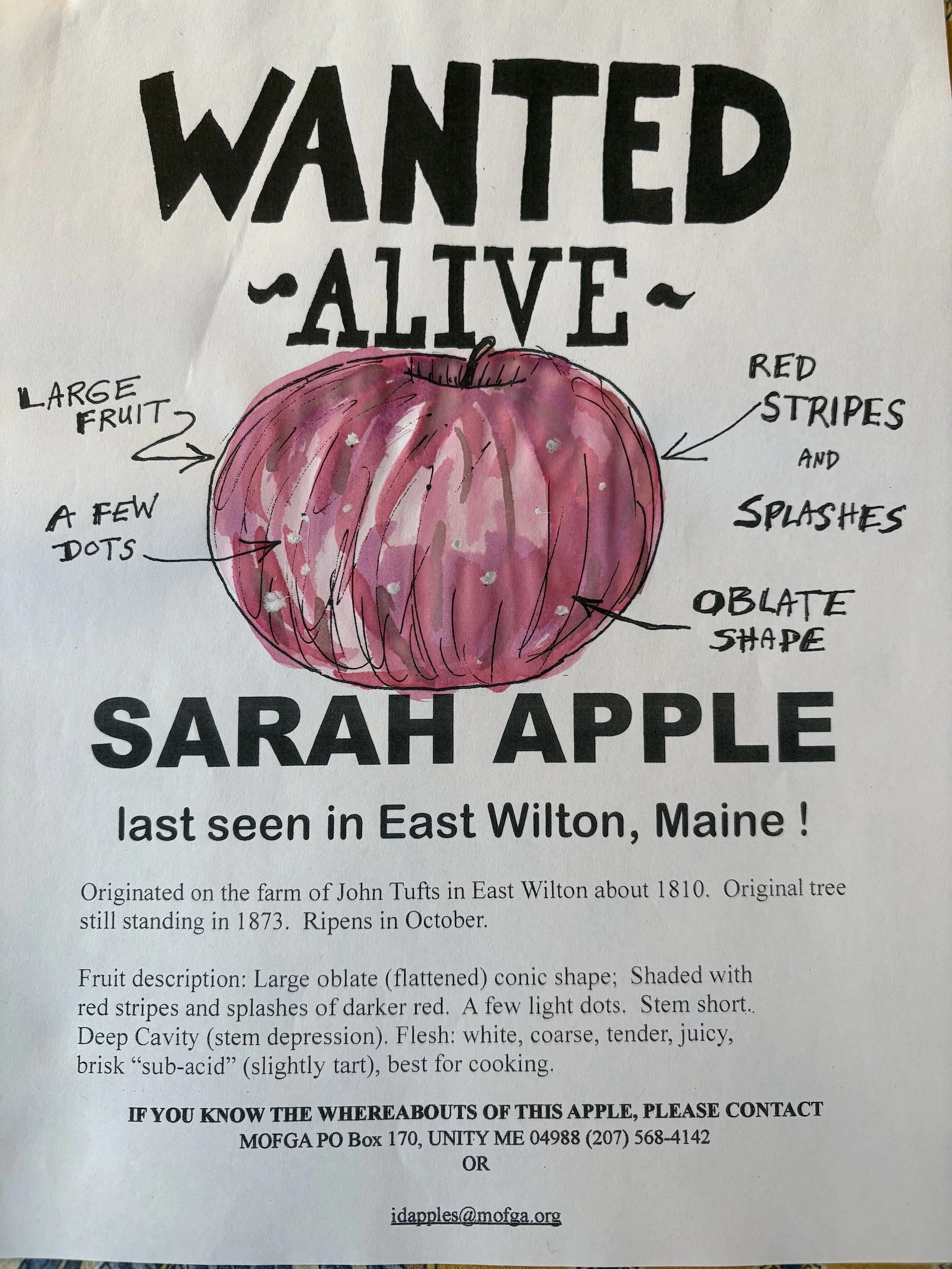
The day ended at the Farmington Grange where I handed out Franklin County Wanted Posters, sold books and apples and gave a presentation on the apples of Franklin County. During the Q and A I learned that there’s a very good chance that the long-lost Sarah apple has been found. This may have been the most exciting news of the day. I’ll obtain scionwood this winter and graft it in the spring. I’ll also get leaves for a DNA test. Long after dark we were back on the road for the  foggy drive back to Palermo. What a day.    
October 20-21, 2025

Scott Skogerboe and B;ack Oxford, October 21, 2025

Today in the orchard

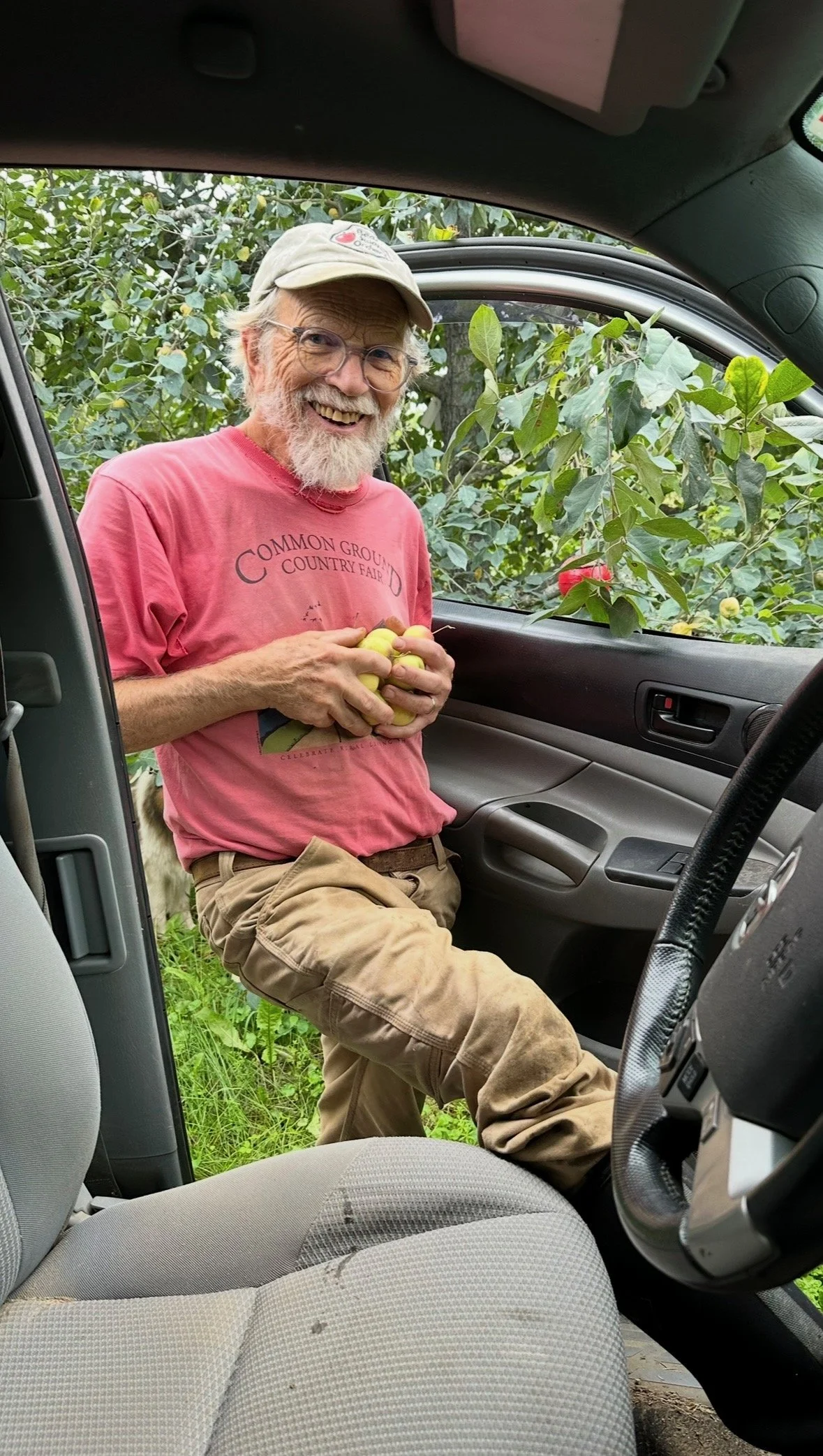
Scott Skogerboe came to visit us for two days. Scott has worked in the nursery trade for several decades out in Fort Collins, Colorado. He’s an apple geek as well as a plant explorer and plant historian. One of his special interests (among dozens) is Niels Hansen, the plant explorer who found and introduced Dolgo Crab and the red-fleshed apple, Niedzwetzkyana. Hansen also bred and introduced many of the hybrid plums we grow in our orchards as well as dozens of other plants. Fittingly, Scott brought us a small grafted tree of a Dolgo seedling he’s selected for us to trial up at Finley Lane.   

For years a mutual friend kept trying to get us together. Then we finally met in Boulder at an apple conference a couple of years ago. He was in New England for a wedding this past week and detoured up to see us. Although we did tour pretty much every tree and garden on the farm, we spent many hours at the kitchen table just talking plants as a much-needed gentle rain blessed the landscape. It was a wonderful visit. When he left, we loaded him down with a major stash of apples to take back to Fort Collins. 

October 19, 2025

Today in the orchard

About 400 apple enthusiasts gathered for The Great Maine Apple Day at MOFGA in Unity. It’s an annual mid-October Sunday afternoon event that features elaborate displays of apple varieties grown in Maine, dozens of different apples for tasting and evaluating, workshops, pie-making, apples for sale and everything apple you could ever imagine. 

I spent most of the afternoon identifying apples brought by attendees from across the state. Although now and then I can pull out a name like a rabbit out of a hat, I confess that often I am “stumped.” And it’s the stumped ones that really pique my curiosity. “Where is this tree?… What can you tell me about the tree? … Do you have a photo of this tree? .. This could be something really interesting!"

Stumped, October 19, 2025

October 18 2025

Today in the orchard

Skylar and I were back in the orchards today picking several more varieties. These included Westfield-Seek-No-Further (aka Westy), South Dakota Ben, Belle de Boskoop, Blake, C'Huero Ru Bienn, Melody Maker, Shavel Sharp, Hatchet Mountain, Grandfather, and Redfield. 

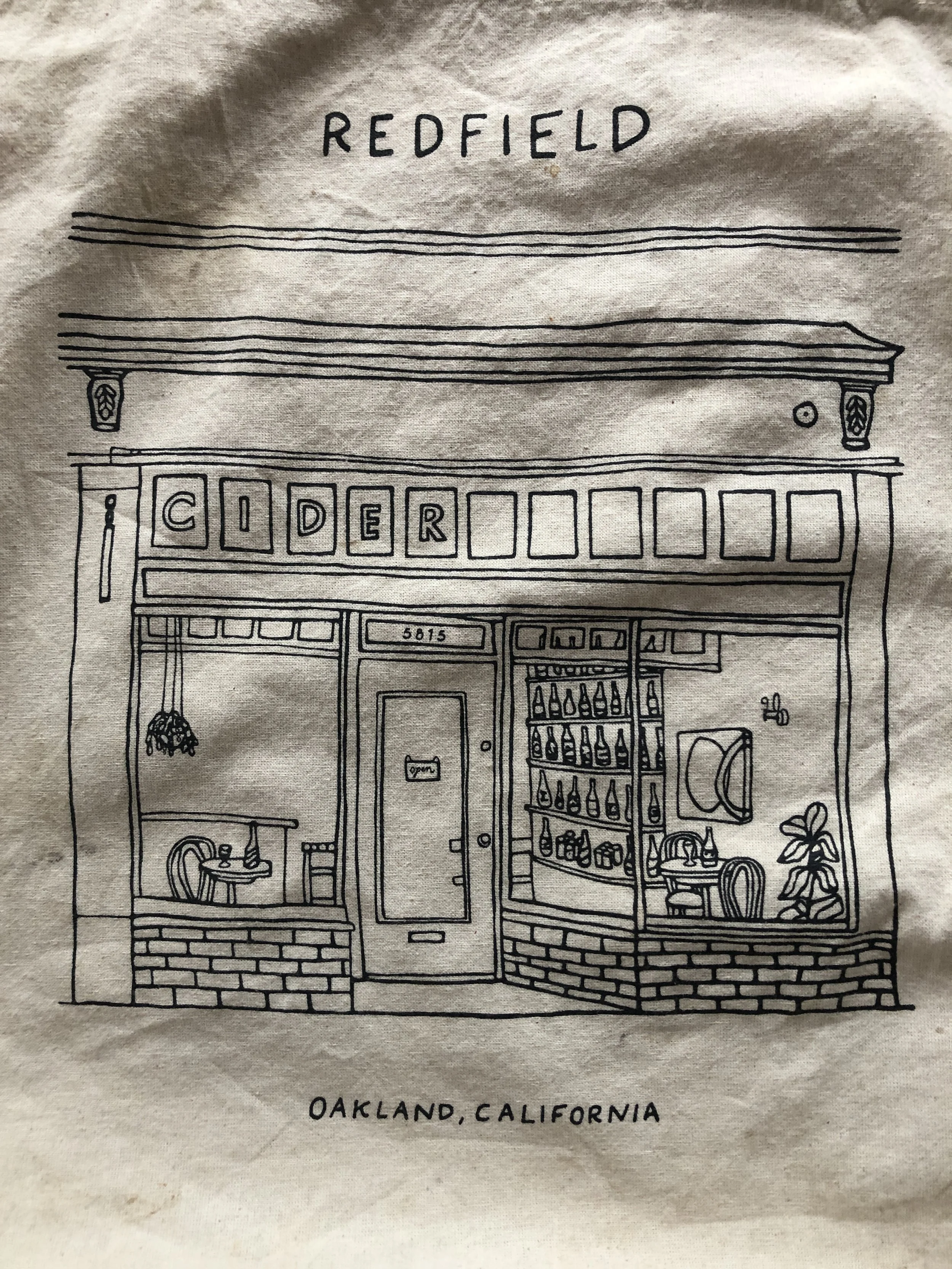
Redfield T-shirt: I want one!

Westfield is a famous, historic dessert fruit, originating in Westfield, MA about the time of the Revolution. South Dakota Ben is also a dessert selection, although not of the same quality as WSNF. Boskoop and Blake are large cooking apples; Boskoop is one of the most famous in the world, while Blake is likely the lesser known Blake of Westbrook, ME. C'Huero Ru Bienn is a bittersweet from Brittany. There are a bunch of “C’Huero” apples from Brittany. Apparently “huero” means bitter. So that would make it a “good, red bitter” apple. We have one large branch but should have an entire tree. I’ll take care of that this coming spring. Melody Maker is a medium-large, beautiful, orange-blushed russet, one of our favorite seedling selections.  Shavel Sharp is nasty, sharp and bitter seedling. Yum. Grandfather is an old seedling from a few miles down the road from the farm. Hatchet Mountain is a small (1”), ribbed, red, roadside seedling with true-red flowers and fruit that looks like mini-Calville Blanc. Last but not least - Redfield is one of my favorite apples: medium-large, red-fleshed, prolific, rugged, hardy, mostly annual-bearing and great in a pie or sauce. Ah, Redfield!  

October 15-17, 2025

Today in the orchard

I took off three days from the orchard to work on construction projects around the farm. Living on the farm requires one to be a Jack of all trades, even if it means the ladder remains in the shed now and then. Meanwhile the apples do continue to ripen and some are dropping. We’re moving towards the final period of picking. By the end of the month, all the apples will be off the trees. The storage apples—the keepers—will go to the cooler and then, as soon as the root cellar gets cold enough, we’ll move them to the root cellar. Ideally we’d leave them to ripen on the trees, but we just can’t do it. They would freeze and then rot.  So, instead we wait as long as we dare, and then we pick them all and let them finish up ripening inside over the course of the next few months.

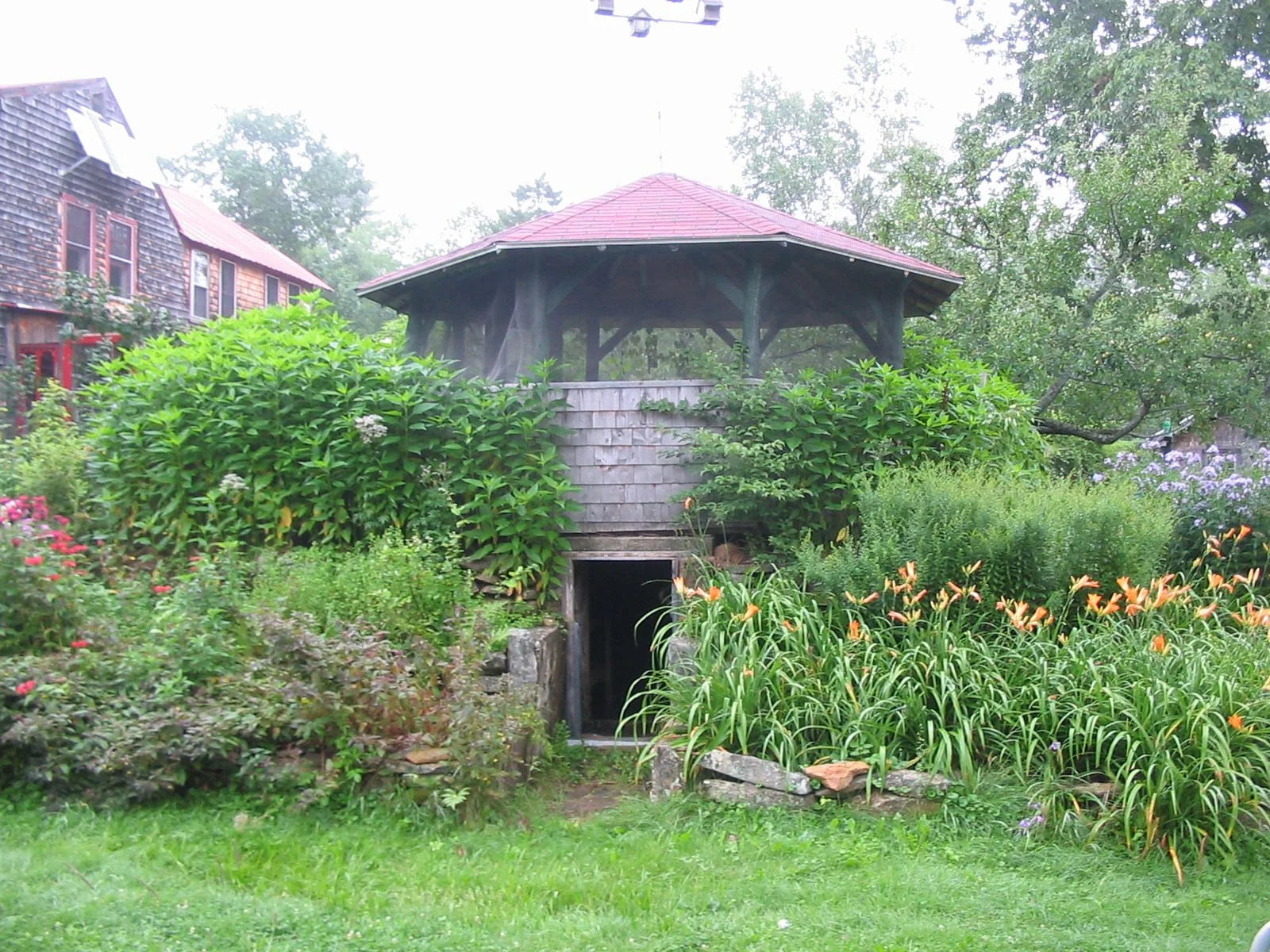
The original root cellar here on the farm

October 14, 2025

Today in the orchard

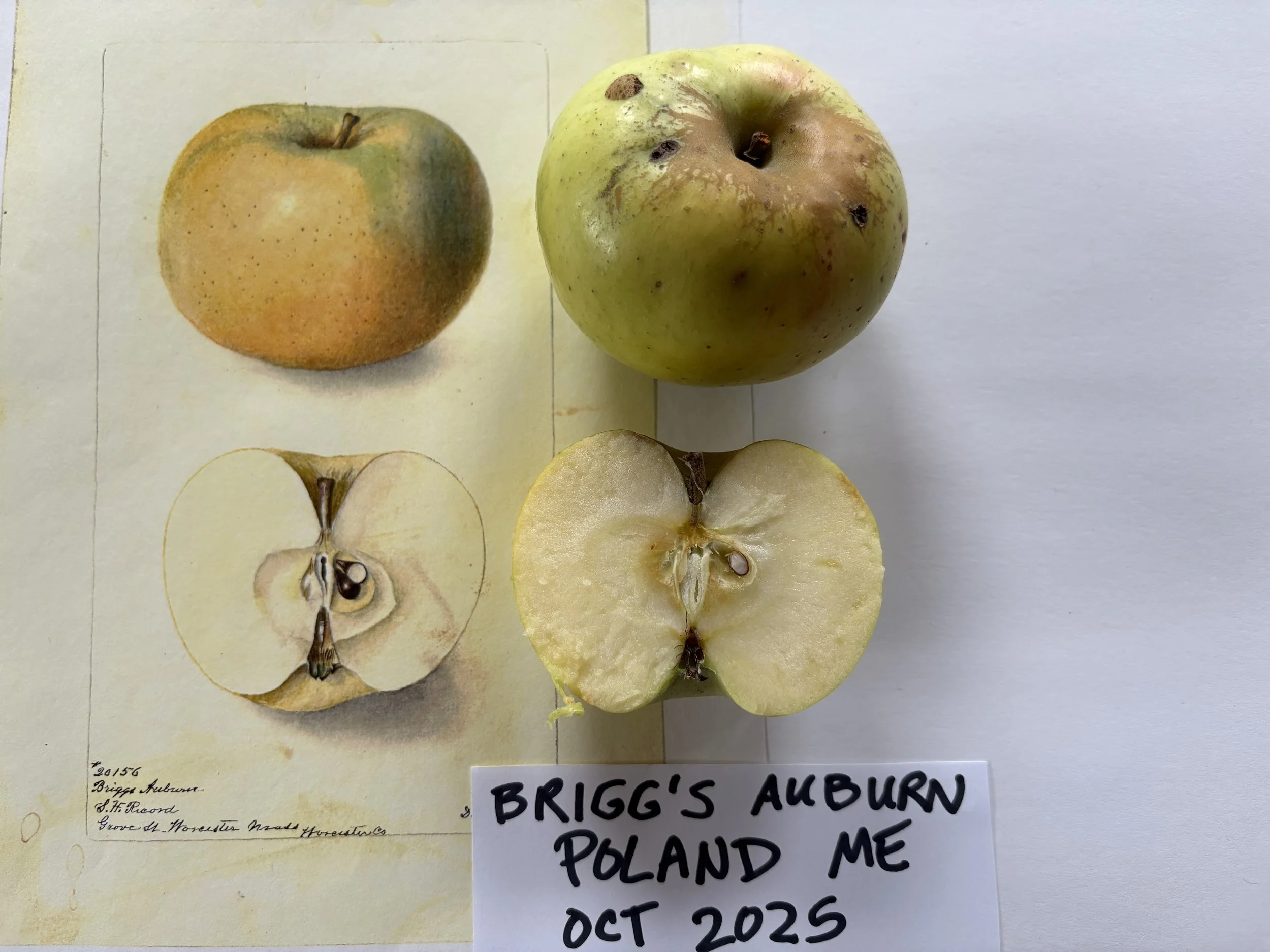
Today I did a deep dive into another apple mystery we’ve been attempting to solve for the past decade - finding the true Brigg’s Auburn. 'Tis the season for attempting to sort out ID errors and mysteries. What we originally thought was “Briggs” turned out to be Northwestern Greening. But in his 2023 apple exploration adventures, Sean Turley found an old tree in Poland, ME with fruit that resembled Briggs. We DNA profiled it, and the results did not match anything in the reference panel. Hooray - maybe it’s Briggs. Sean returned this fall and obtained eight apples that he gave to me.  This would be a major discovery if it is turns out to be Brigg’s Auburn.

I spent several hours examining the fruit and all my historical records. Everything matched. The location is right: Poland is only five miles from Minot where the apple was said to have originated. The tree is old, which it would have to be. And the relatively detailed historic description in Bradford’s 1911 Apple Varieties in Maine matches the Poland fruit. Next step is to meet with our Historic Fruit Tree Working Group and convince them. I think we may have found the true Brigg’s Auburn.


October 13, 2025

Today in the orchard

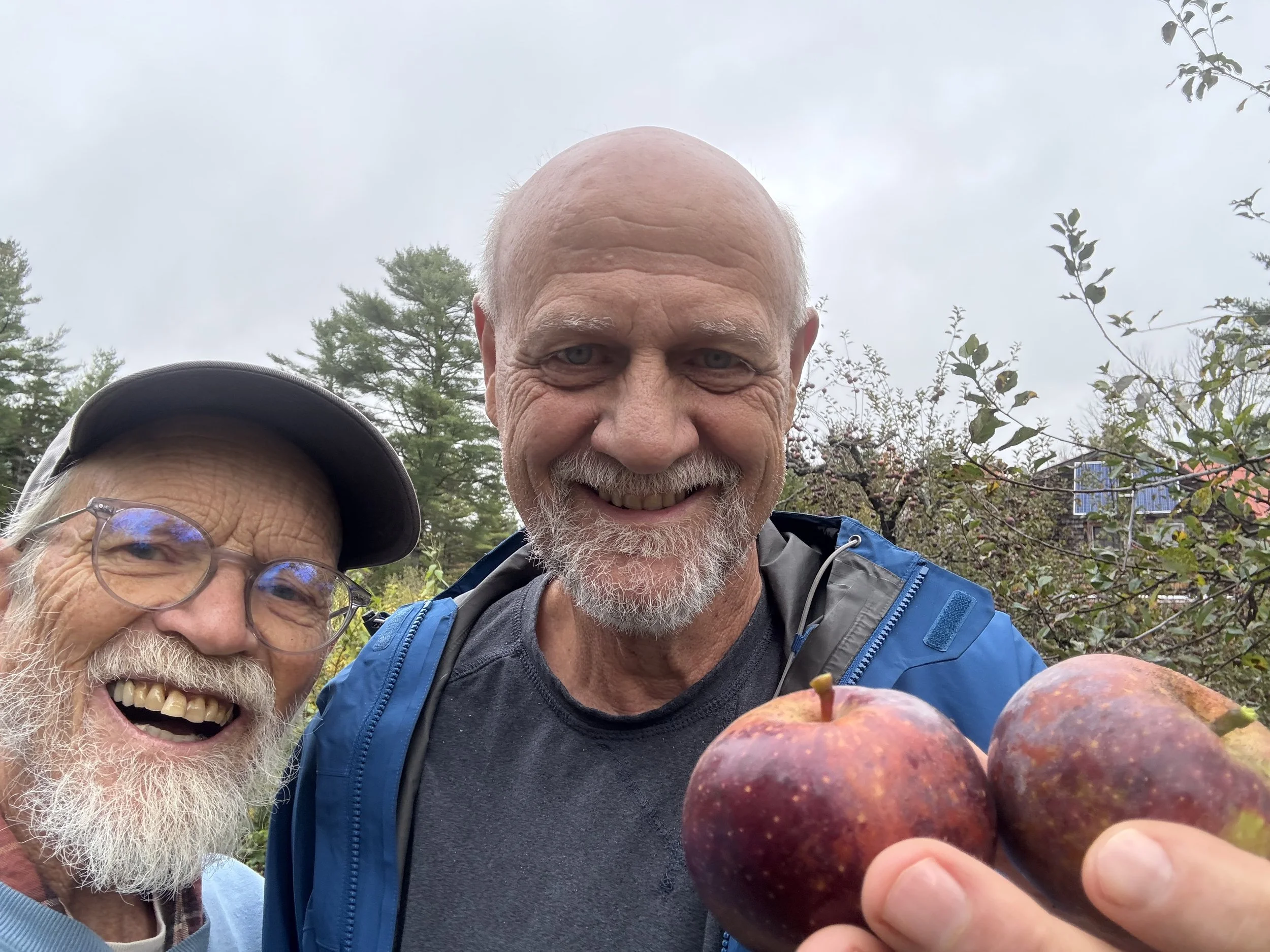
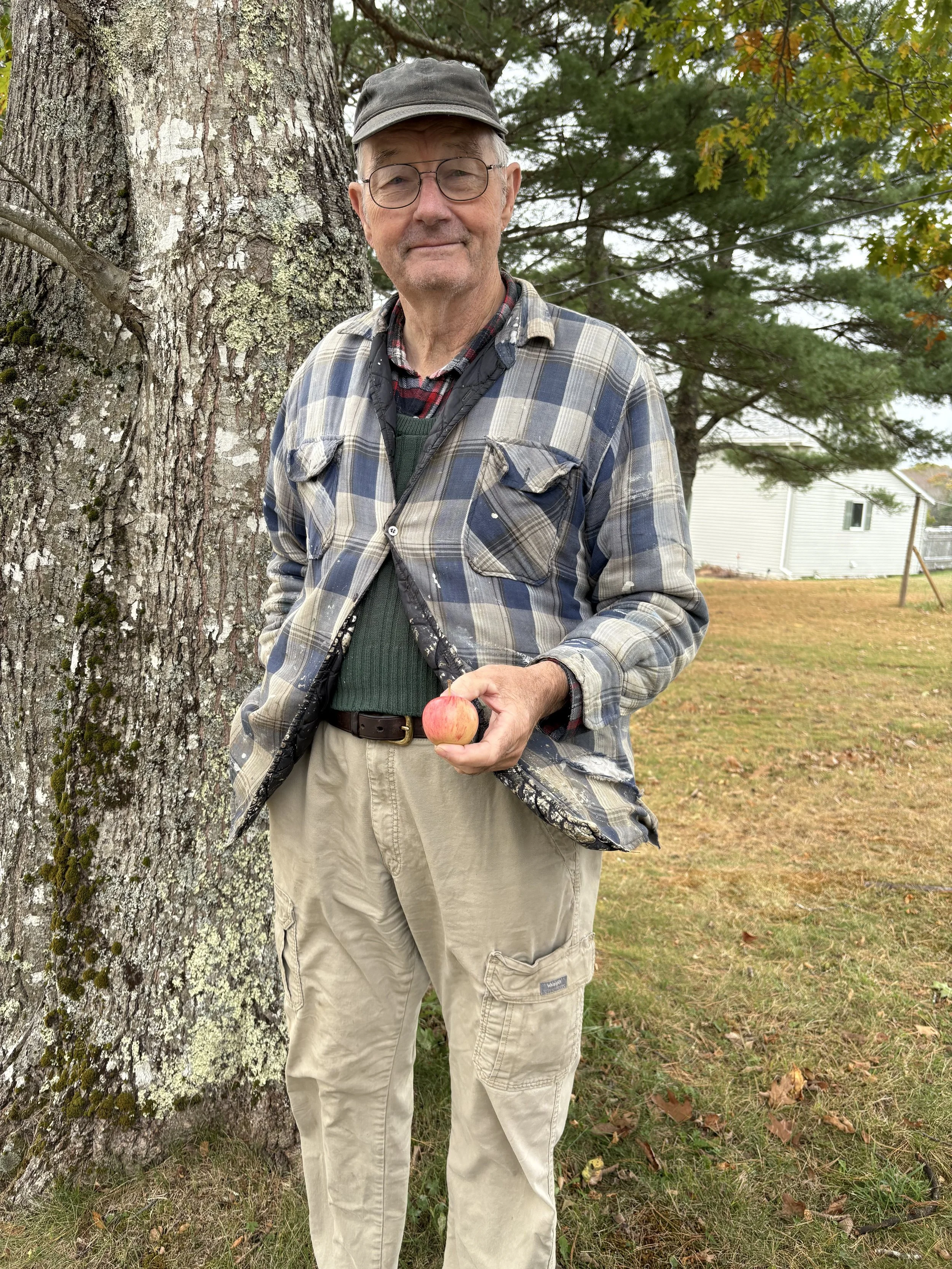
Todd Little-Siebold and I headed “downeast” to the town of Cherryfield in search of the true Cherryfield (aka Collins) apple. We’ve been scheming about such a trip for a couple of years. The DNA profile of the apple tree we thought was Cherryfield matched an old Illinois apple called Salome. We’ve now found this same Salome in multiple Maine locations. The phenotype also appears to be Salome. So most likely we had Cherryfield wrong. Once we got over the disappointment, we decided to go back to square one, and that meant a trip back to Cherryfield to find Larry Brown, the fellow who sent me two apples from a tree he had grafted from a far-older tree—the apple I thought was Cherryfield.  

Larry Brown and “Cherryfield” October 13, 2025

Even before the DNA profile, I had some lingering doubts about our “Cherryfield.” I had photographed the two apples Larry Brown sent to me nearly twenty years ago. They did not match the apples from our grafts—the apples we eventually DNA profiled. Something must have been mixed up somewhere along the way. What we had was, apparently, not what Larry had found and sent us. (As Richard Nixon’s press secretary Ron Ziegler famously uttered long ago, “mistakes were made…”) This prompted today’s return trip to Cherryfield in search of the source tree of those two original apples. 

We found Larry who took us to the tree from which those first two apples came. It was not in good shape, but it did have a few reasonably decent-looking fruit. We took fruit and leaves. The fruit is definitely not Salome. That’s a good thing. We’ll do a complete detailed description and see if it matches any other apples we know. I’ll also compare the fruit to the photo I still have of Larry’s fruit. We’ll submit leaves for a DNA profile. Then we’ll keep our fingers crossed (an old scientist’s trick).   

October 12, 2025

Today in the orchard

Blue Pearmain, October 12, 2025

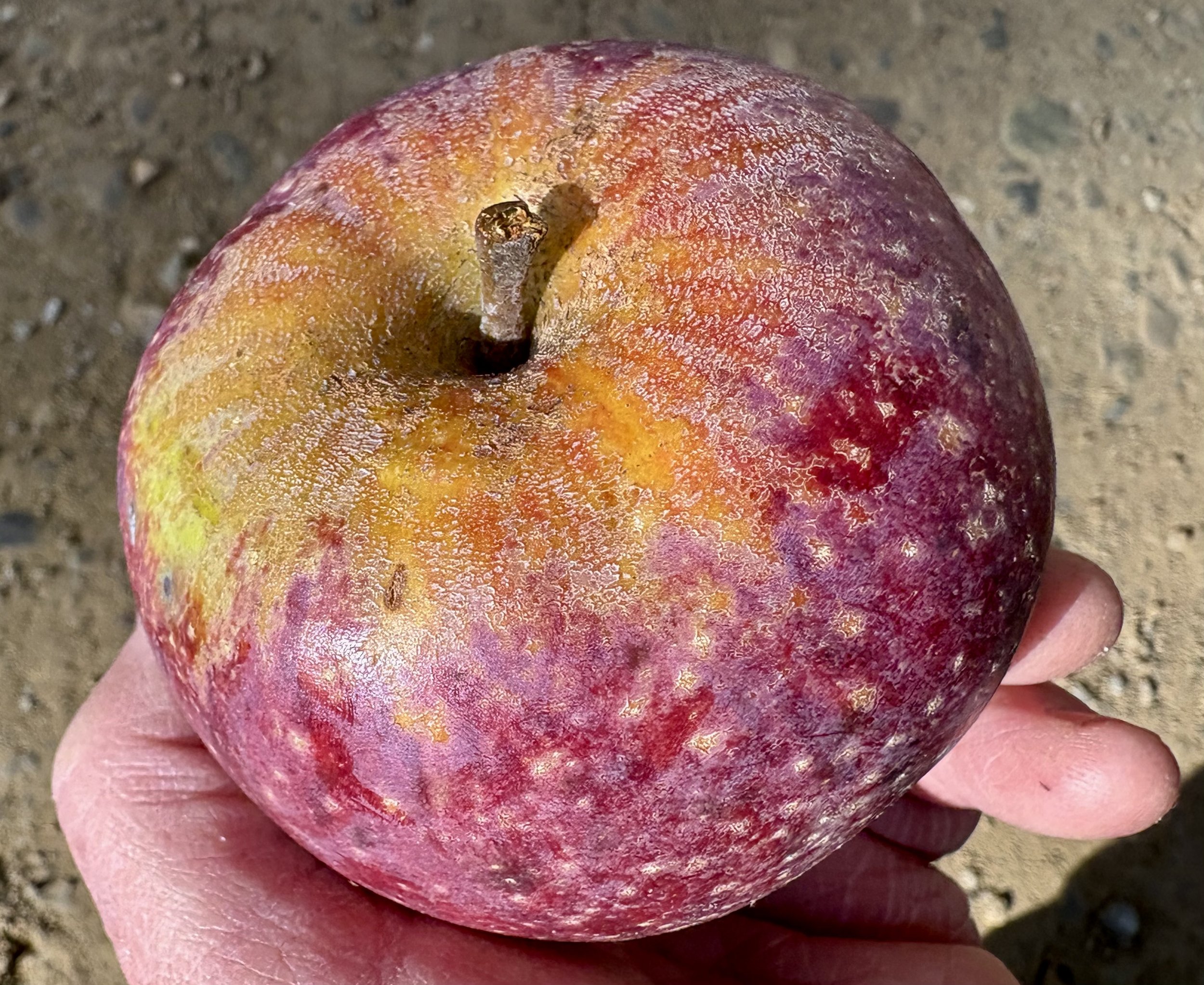
Cammy, Skylar and I spent much of the day dismantling the gardens and building a new compost pile. Sometimes it seems as though all we do is build compost piles and then dismantle them. That’s actually a good thing as we spend very little money on fertilizer. The vast majority of it—the fertilizer—gets made right here. That’s one of things I admire most about biodynamics. While not a strict practitioner myself, I do aspire to many of their tenants, one being the closed loop on the farm, that is, using and producing everything right on site. Beginning (and ending) with compost. (By the way, who actually “makes” the compost really? is it the worms? The microbes? The rain? The wind? The sun? All of the above?) We also picked more apples today, including Blue Pearmain and Starkey. The Blue Pearmains are insanely beautiful this year, with their purple skin and their electric orange cavity.

October 11, 2025

Today in the orchard

Mt. Joy Orchard

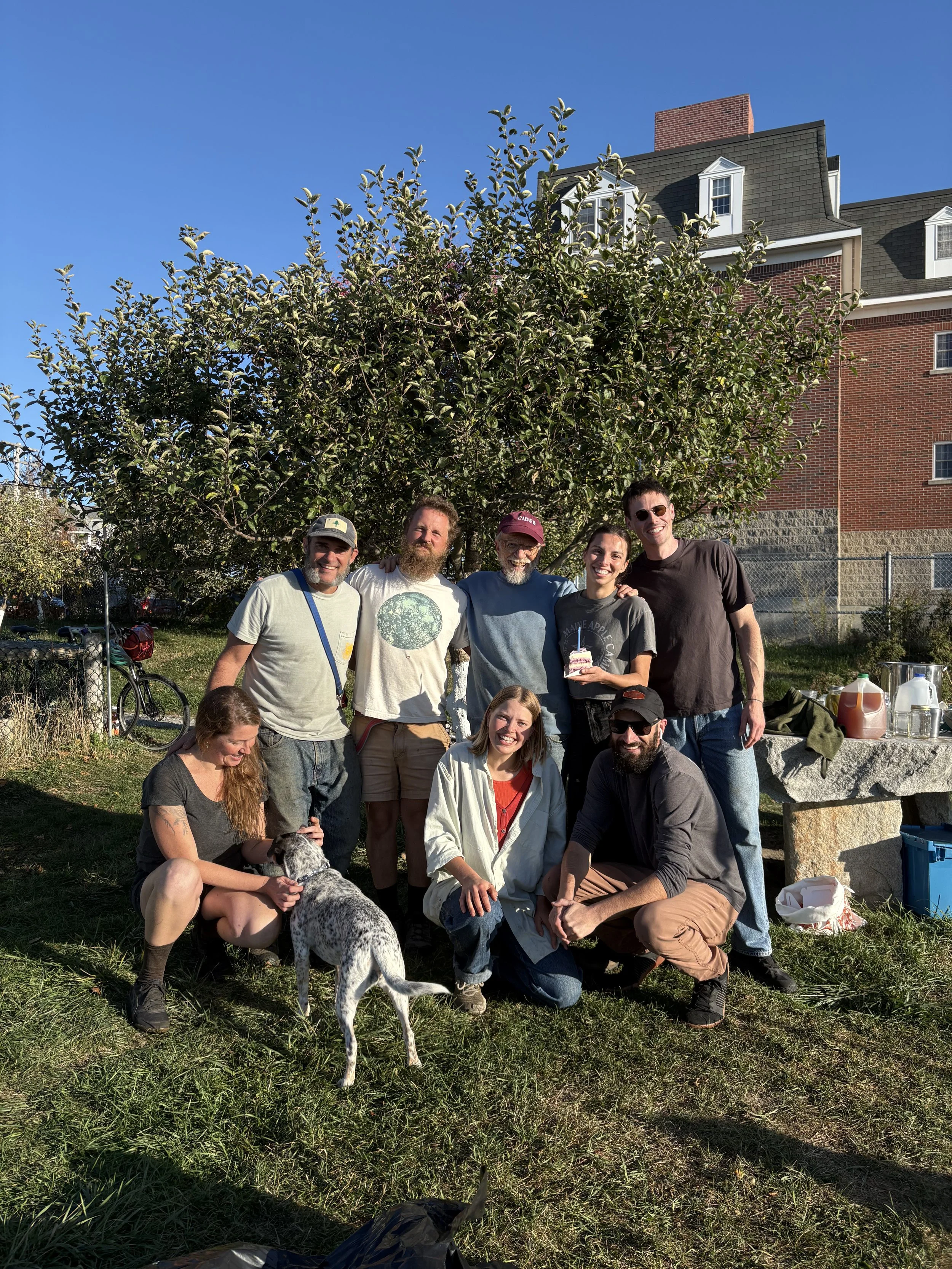
I took our large cider press down to Portland’s Mt. Joy Orchard for their annual community cider-pressing event. It’s a family event, and all the cider is given away to whoever shows up with a jug or a bottle or a cup. There’s no visible organization, and yet everything gets done with perfection. Apples get ground up, buckets are filled with pomace, cider gets pressed, funnels appear, and vessels of various sizes and shapes get filled. No one was counting, as far as I know, but I’d say there were a hundred attendees at one point or another and many gallons were distributed or consumed on the spot. Mt. Joy Orchard is planted on a steep hill-side overlooking the north end of Washington Ave. At the top of the hill is a community garden with an open space large enough to have a good-size gathering and press a large amount of apples. At the end of the afternoon I even received a piece of birthday cake! 

October 9, 2025


Today in the orchard

This time of year my eyes are on full-time, road-side, apple-alert. This is tricky stuff when you’re at the wheel. You do have to have your attention on the road in front of you (and behind) but somehow devote just enough attention (2%?) to seeing the fruit on that tree you never noticed before. It helps to have a full-time, highly-trained driver who isn’t into apples, (or, even better, one who is but is willing to share the driving.) 


Blue Pearmain, October 12, 2025


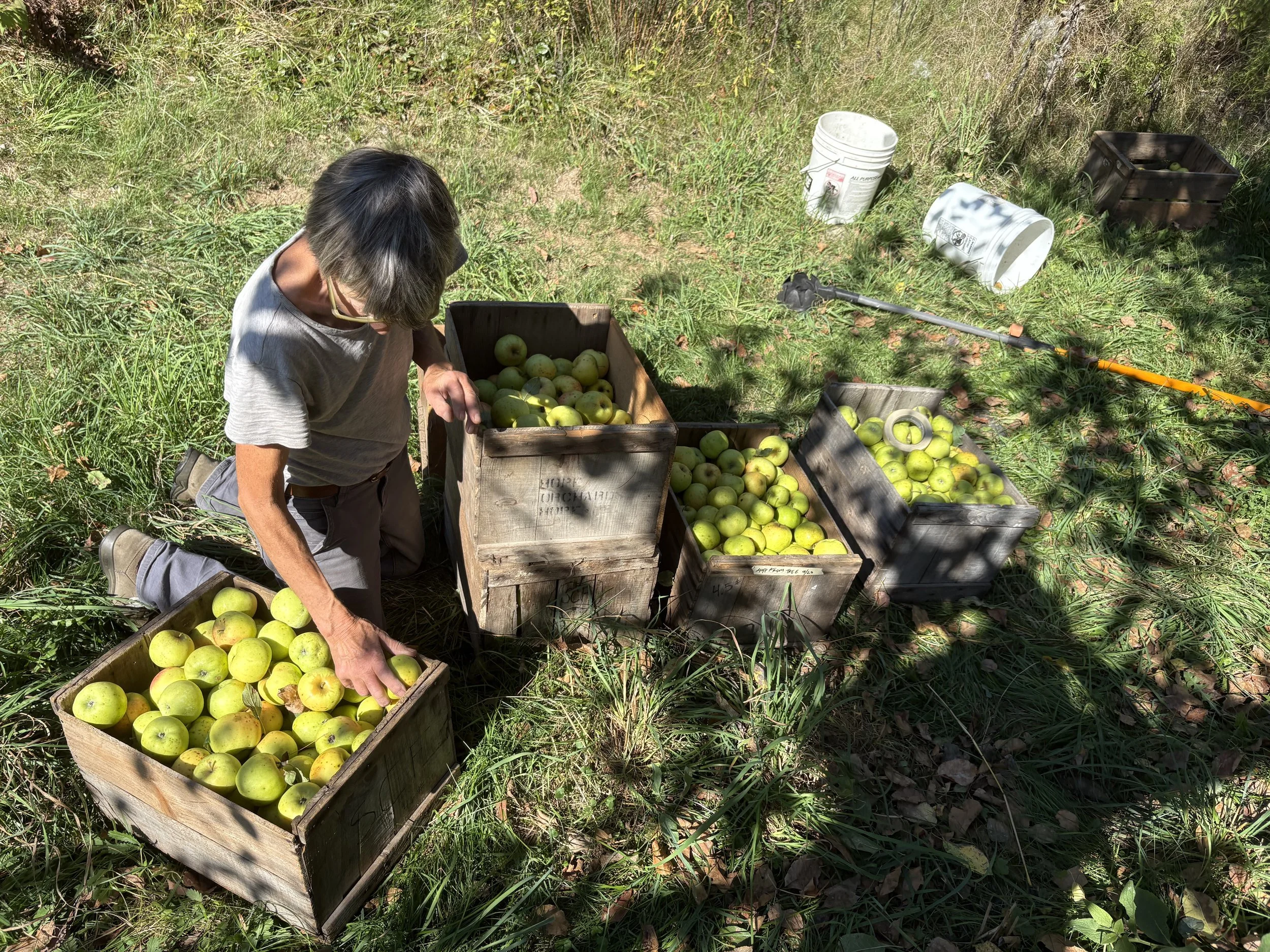
Although my focus has been largely on the historic Maine apples for the past several decades, I do love to find seedling trees. Today I made a detour to one of my new favorite seedlings—this one in South China (Maine not China). It’s a true sweet (low acid). The fruit is large, mostly yellow and ripening now. Although many have been dropping over the past month (I’ve been watching), the majority are still on the tree. They are gorgeous. So I stopped by today and picked a shopping bag-full. I don’t know who owns the tree. No one was home at the closest house. I’ll go back on a weekend soon, knock on the door and pick the rest. 

While I’m on the subject of seedlings: The 6th annual Seedling Exhibition in Williamsburg, MA is happening on Halloween. If you’re interested in submitting fruit and/or attending, go to gnarlypippins.com and check out the details. See you there!

October 8, 2025

Today in the orchard

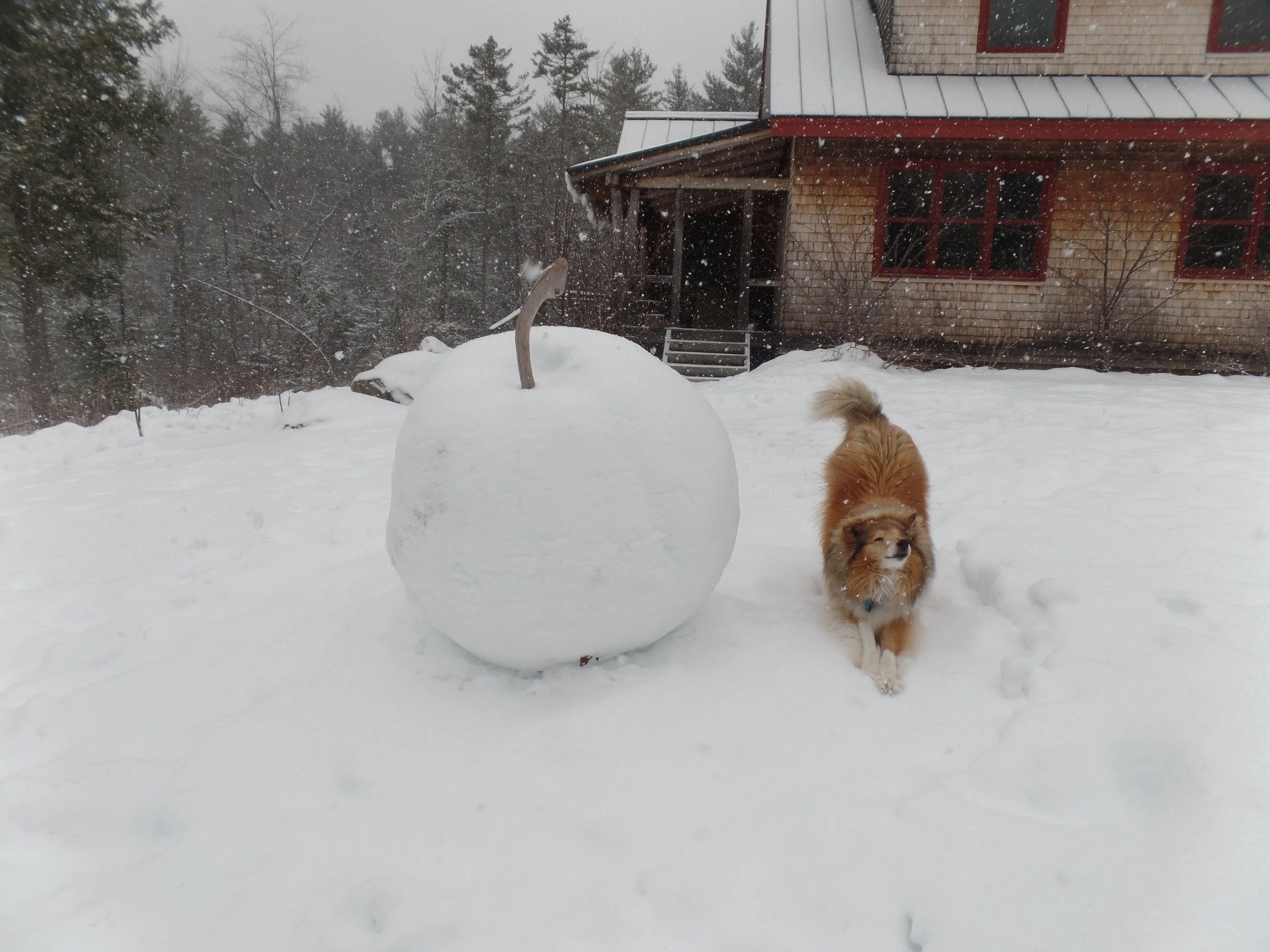
People and dogs have been living together for the past thirty thousand years—or maybe forty. By the time the first farms appeared ten thousand years ago, dogs were a well-established part of the team. We couldn’t live and farm the way we do without our collies. They live outside 24-7-365 with the occasional night inside for good behavior or when the weather is particularly gross. They bark all night sometimes. (That’s actually a good thing.) They keep the deer and the bear out of the orchards. They occasionally get too close to porcupines. (Ugh) We’ve had seven collies on the farm over the past forty years. Some have “belonged” to us and others to others living on the farm. A number of friends have purchased collies after spending time with ours. They are truly fantastic dogs.

Now we have sad news on the farm. Our wonderful old collie, Radar, died earlier this week. She lived her entire life on the farm. Every day of it. She dutifully protected the gardens and apple trees, and she welcomed hundreds—or maybe even thousands—of friends and visitors with love and affection. She loved to wiggle her way between your legs and snuggled with everyone. If there ever was a loyal creature, the epitome of love, it was her.

Radar doing "downward dog"

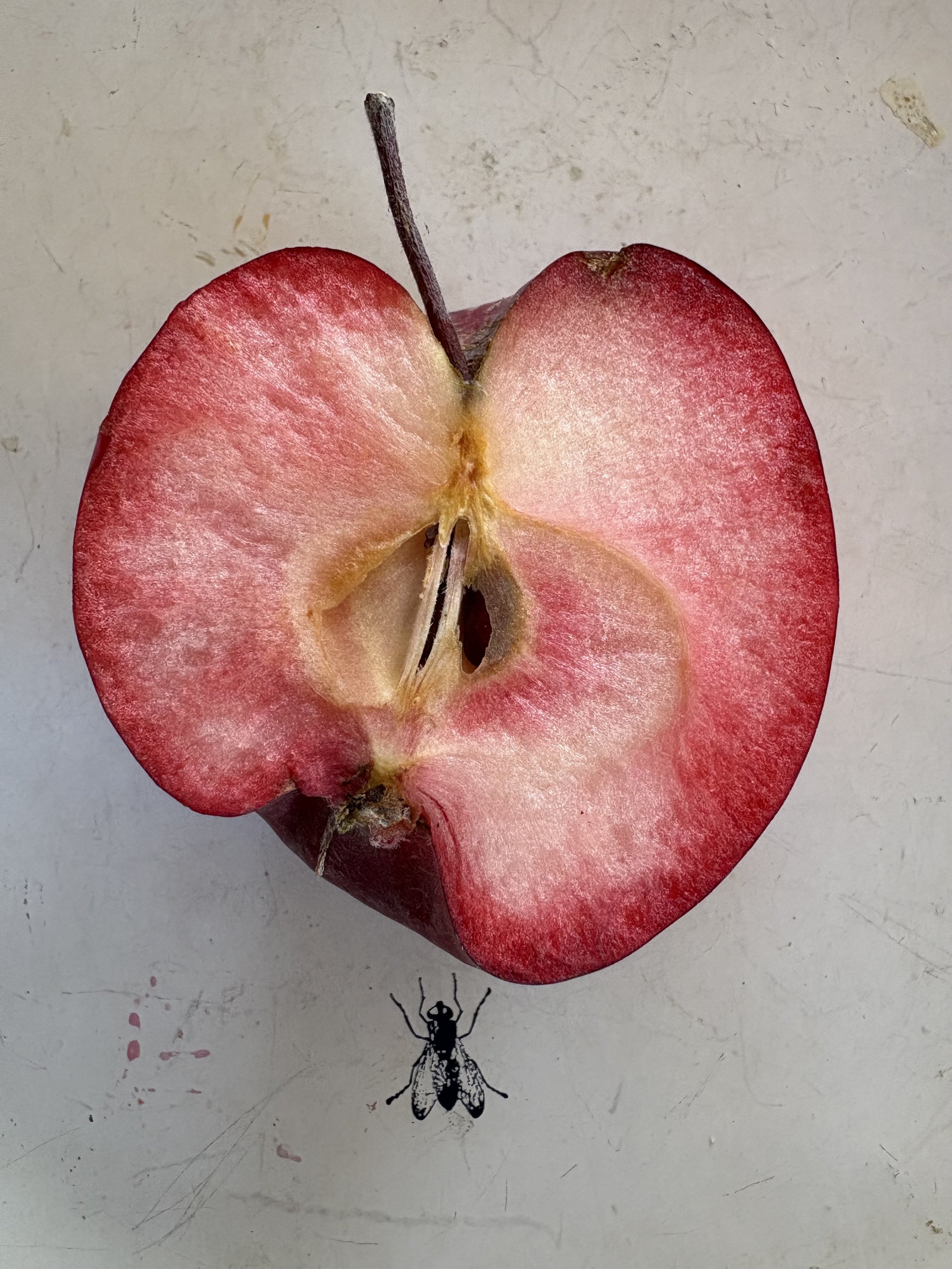
We buried Radar under an apple tree in the orchard. It’s a seedling tree with red-fleshed apples that fruited for the first time earlier this month. When we planted it in the orchard years ago, Cammy named the tree Radar Love. Goodbye old dog. We miss you.  

October 7, 2025

Today in the orchard

I spent a few hours touring around Palermo saying hello to some of my favorite old apple trees. There are many. Some of them I’ve grafted into our orchards, some I stop by and visit every year, and others I rarely get to see. One in particular that I wanted to check out is a russet that’s growing in the middle of a hay field on the road up to Freedom. The tree is exceedingly old, and I’ve never attempted to do an ID or take leaves for a DNA profile. There were two apples left, and I snagged them both (with permission). I’ll “phenotype” them soon. Then I’ll send in leaves for a DNA profile. At first glance I’m not sure if it’s a GR-1, GR-2 or another of the Golden Russet-types that were grown in central Maine long ago. 

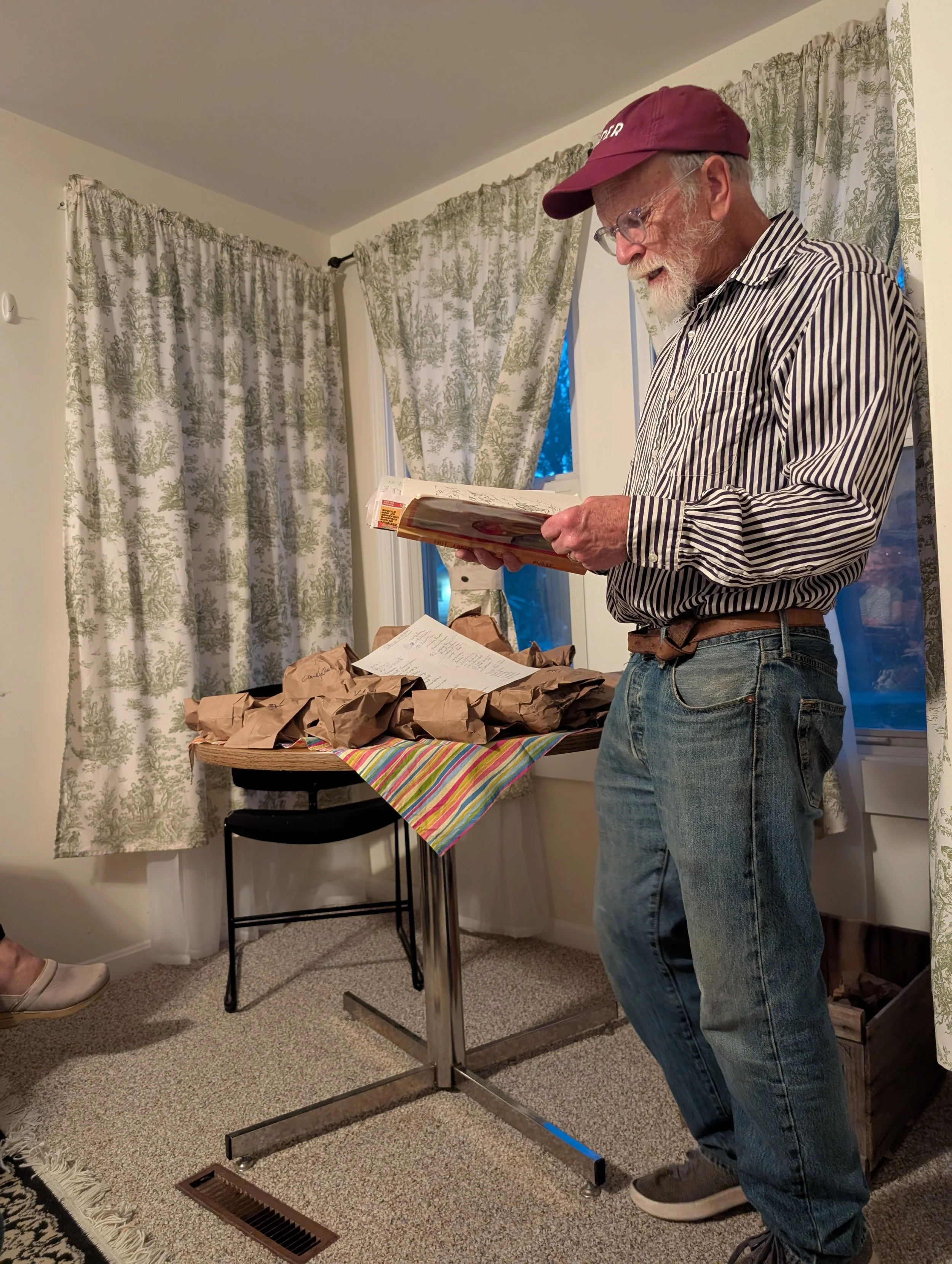
In the evening I gave an apple talk at the Palermo Historical Society. I brought in a couple dozen apples, all from around town, and used them as props while telling stories about the old-timers who were my guides as I soared off into the incredible universe of apples. I even did a bit of reading from my first book about the apples of Palermo. It was a fun evening.      

October 6, 2025

Today in the orchard

Grimes Golden, October 6, 2025

After a brief pause the apples are now insisting to be picked. The rush is on. We get occasional mini-respites during apple season, giving us enough time to blink a few times, and then in comes the next frenzy. Today we picked the bulk of the Grimes Golden, Pomme Grise, Sweet Sixteen, Norton Greening and lesser amounts of several others. 

“Grimes” is probably one of the most important of all apple parents. Its child is the internationally famous Golden Delicious (GD), itself one of the most sought after and used apple-parents in the world. (Gala is just one of the numerous children of Golden Delicious.) 

Grimes is southern apple (West Virginia) that was adaptable enough to northern areas to be grown a century ago in orchards here in central Maine. Our trees are grafted from scionwood I cut from an old tree just up the road. Grimes fruit is a bit more blocky and less conic than GD. It has the same yellow skin as GD, although the surface has an chalky-opaque quality to it, almost as though it was russet (which it is not). It is excellent for both fresh eating and cooking. It has one characteristic that is considered a flaw in the commercial orchard world. Around the beginning of October it begins to drop fruit daily. It doesn’t drop all at once (which would be a signal to hustle out there and pick it), and it doesn’t hang on for you to harvest at your convenience. It just starts dropping one or two fruits at a time like water dripping from a slowly leaking faucet. Although we don’t mind using drops, in an age when selling drops is forbidden, this can be a real problem. So we let them drop for a few days, collect them off the ground for us, hope the rest are ripe enough, and then pick them all… today.  

October 5, 2025

Today in the orchard

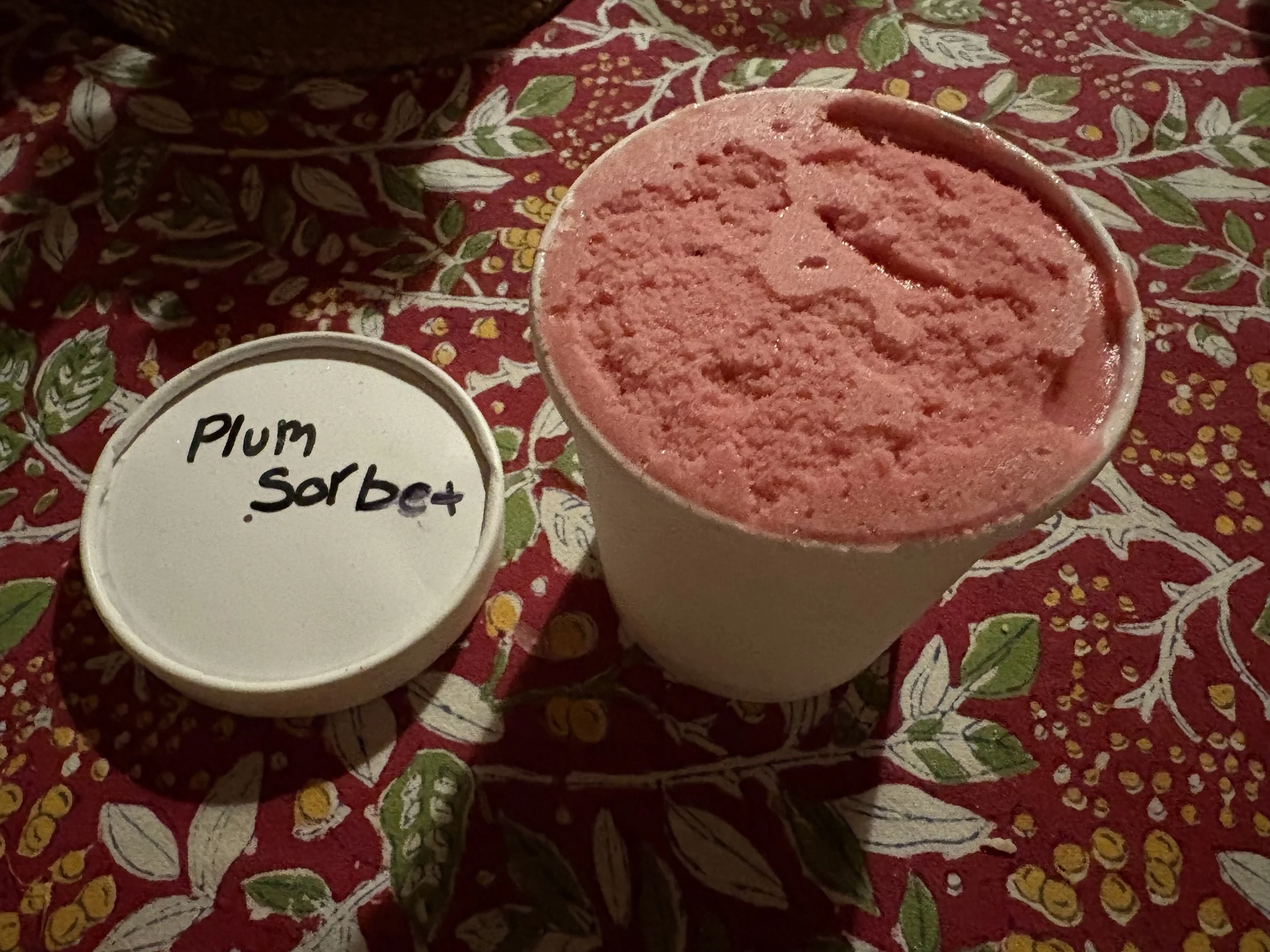
Plum Sorbet with SCF plums, October 5, 2025

In August John’s Ice Cream in Liberty purchased a few flats of two of our favorite plums: Purple Heart and Black Ice. (see Orchard Reports from August 23 and August 25, 2025) Both are juicy, delicious and deep-red-fleshed. Louis Pontillo, who took over the business from John Ascrizzi, just released a non-dairy Plum Sorbet from the plums. Today we got to try it. Our conclusion: excellent!  Better hustle down to John’s and get a quart for yourself before it’s all gone.  

October 4, 2025

Today in the orchard

This morning I gave a talk at the Windsor apple festival, a few miles from here, to a small but enthusiastic group of apple lovers. I went from there to visit an ancient Tolman Sweet tree that is growing nearby. It is still in excellent shape with long, robust, horizontal lower branches. Although it hasn’t been pruned in many years, it is un-shaded, growing out in the open and is mostly still intact. Meanwhile, Cammy picked the Tolman Sweet at home, along with the Fuel Service and some of the Grimes Golden. We’ll pick the rest of the Grimes ASAP.

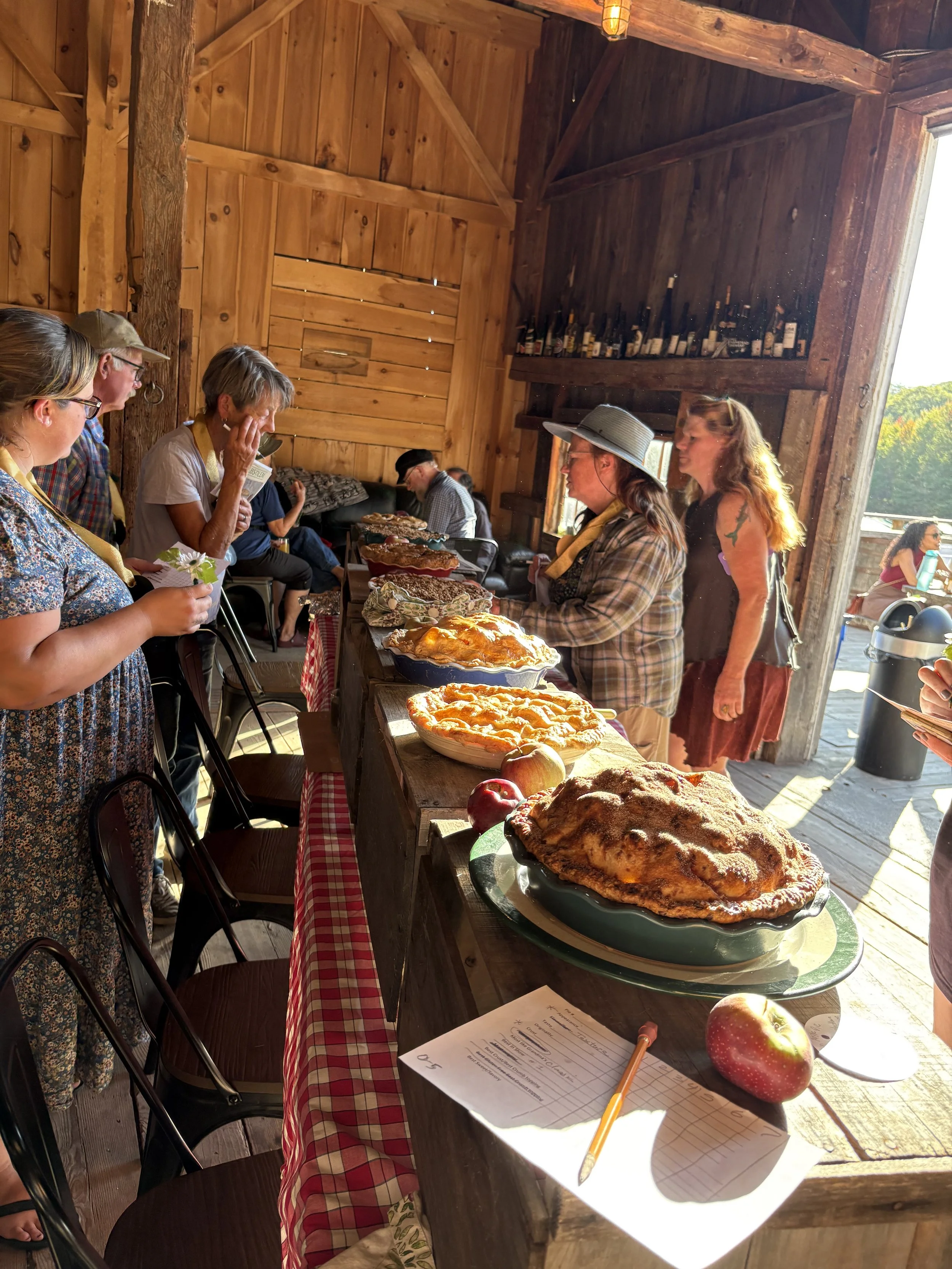
Judging pies, October 4, 2025

In the afternoon we both judged apple pies at Absolem Cider in Winthrop. They were having their own apple pie contest and apple festival. The place was mobbed. It was fun to see the pies and the people. Sadly, it was clear that the chefs don’t have access to real pie apples. (We both agreed that the tastiest pie was the one made from foraged apples.) I look forward to seeing pie apples back in the commercial orchards and the backyards of every Maine home. Those modern apples are not fit for pies!

There are a few old apple trees at Absolem. One that’s growing not far from the tasting room is a Roxbury Russet. Although ubiquitous in the Maine landscape for two hundred years, nearly all of the “Rox” are gone. It’s a great apple, and it’s fun to connect with an old tree.    

October 3, 2025

Today in the orchard

Second night in a row of frost. Two nights ago it was 26F. Last night, 32F. Today we weeded the asparagus patch for the last time this year. It took several hours, but it looks great. All those weeds—as well as the stalks—will go into the compost piles in the next few days. We’ve  been amassing robust piles of weeds, stalks, canes, and vines, all of which will migrate into the heaps. It is compost season. 

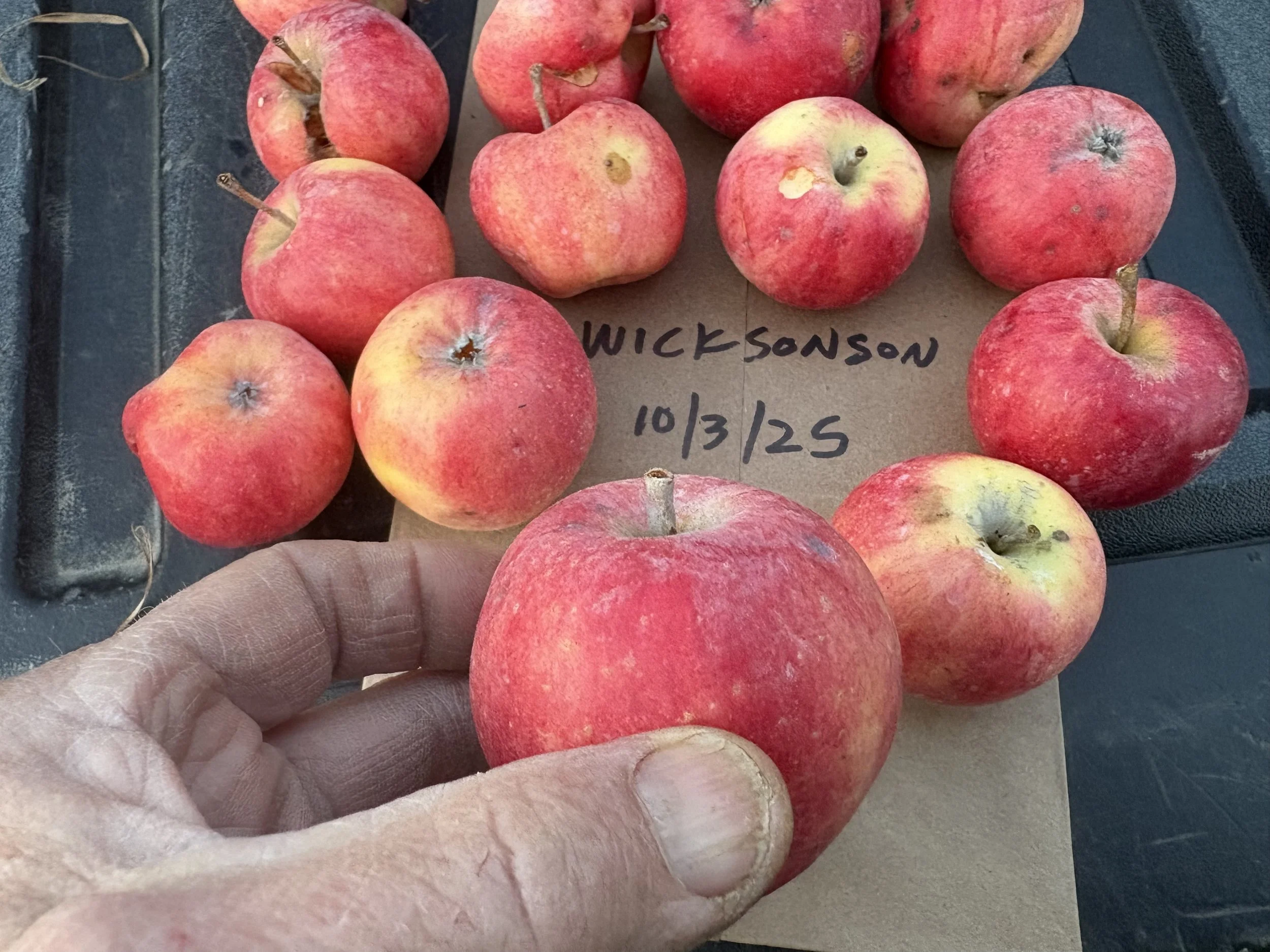
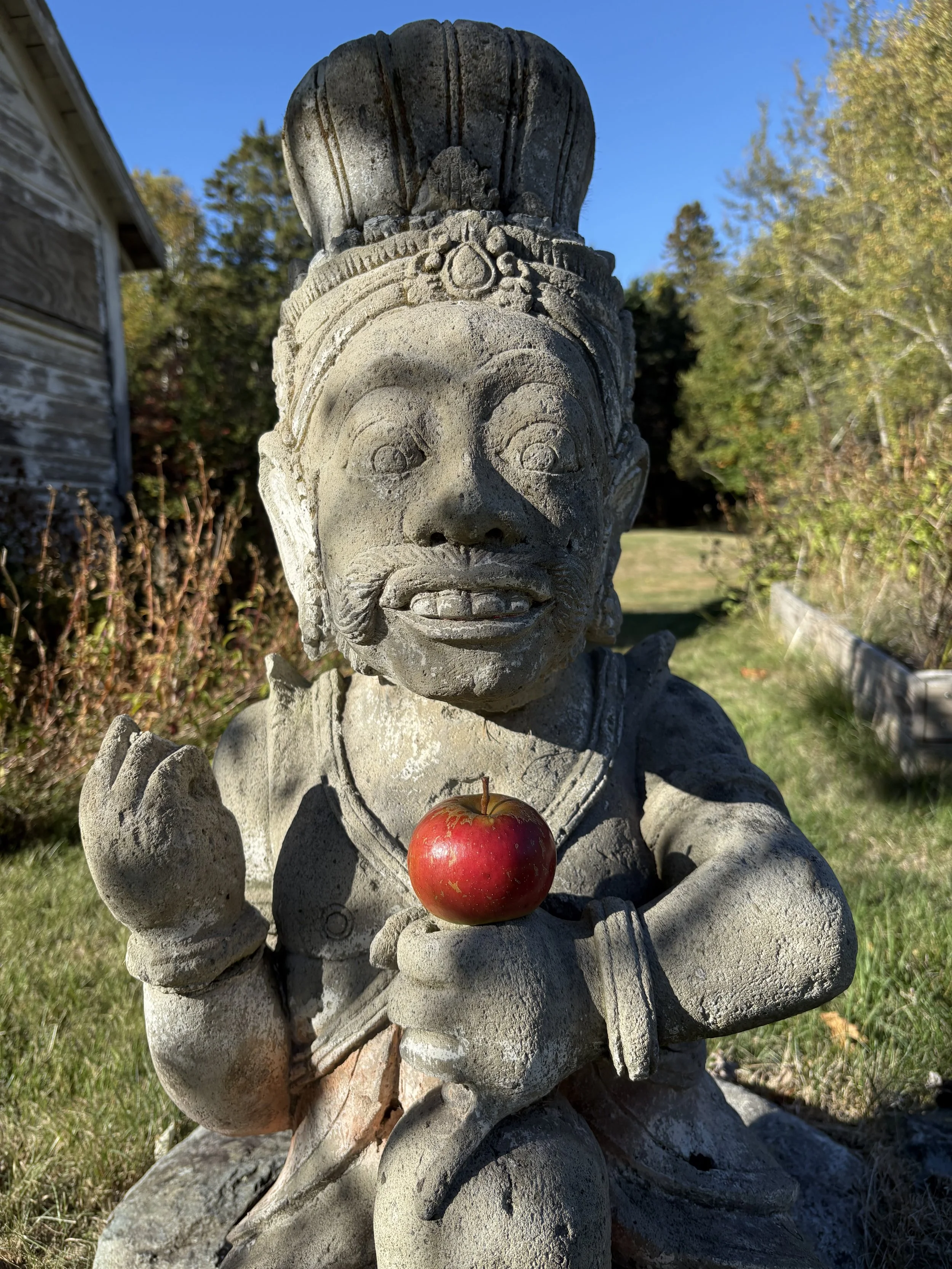
Later in the afternoon I harvested the Wickson seedling fruit. Not having a name yet, I’ve been calling it “Wicksonson.” (I know it’s a pretty lame name. We’ll come up with a better name now that we have fruit.) Wickson itself is one of the best-known introductions of Albert Etter (1872-1950). Wickson fruit is small, red-skinned, high in acid, high in sugar, good for dessert and recognized as one of the few single-varietal cider apples that receive almost universal acclaim. (One of the few others is Kingston Black.)

“Wicksonson” is considerably larger in size than its namesake parent. The texture is somewhat soft, the flavor is a bit bizarre and less acidic than Wickson. The sauce is lip-smacking tangy and a cheerful pink color. We had about 20 apples this year. Searching for the name...

History of Apples in Palermo, ME - October 7th, 6:30

Join John Tuesday night, October 7th at 6:30 PM as he takes us on a tour of the apples grown and growing in his hometown of Palermo, ME. This is where he began his apple journey as he knocked on the doors of local farms to ask if he could scoop up the apples that were littering the ground under the old orchards. As he foraged for apples, the old timers who no longer took much interest in harvesting the apples, came out to join him, tell him the names of the varieties he was picking and enchant him with stories of apples they had planted, picked, pickled and pressed. John will share these stories and many of his own adventures over the past 45 years of fruit exploring in Palermo. Free and open to everyone. Apple treats at 5:30. Talk at 6:30. Worthing House, 54 North Palermo Rd., Branch Mills, Palermo. Sponsored by the Palermo Historical Society.

October 2, 2025

Today in the orchard

The Marlboro apple? October 2, 2025

I remind myself every fall to minimize the days I’m off the farm. Ideally it would be none. But fall is the time to explore the world of apples beyond the farm. It’s the time to see other people’s trees. It’s the time to attempt to solve some of those apple mysteries that might just need one more visit to put it all together. It’s the time to spread the gospel of apples. Who can do it all? Luckily the answer is easy: no one. 

It was a clear blue day and, instead of working on the farm, I went “Downeast” and visited apple trees. I was joined by Todd Little Siebold and Sean Turley. Todd planned the trip, and we had multiple locations to visit. He knew where we needed to go. It was a marathon but a good one. Our mission was to track down three old cultivars that were grown in Hancock County: Garden Sweet, Martha Stripe and Marlboro. it was pitch dark when I opened the door to the cooler back at Super Chilly Farm and slid in three bushel boxes filled with bags of apples. Somewhere in those boxes maybe we’ll find all three of those illusive apples. And a whole lot more.  

October 1, 2025

Today in the orchard

Our big activity today was collecting leaves from fifteen apple trees for DNA samples. We pinch off two or three small leaves of each specimen and stuff them in special tubes half-filled with desiccant. Each tube is carefully labeled with a name and a number. We send them off to the Washington State University where they are “profiled” and compared with a huge international data reference set. Our goal is to learn names of cultivars and the names of their ancestors. It's one of the most valuable tools we have as we work with others around the world to assemble an apple family tree. We’ll tell you what we learn from this batch in about six months.

Radar Love (and fly) October 1, 2025

At noon we tasted two Frostbite red-fleshed seedlings that fruited for the first time: “Radar Love” and “Mo.” We’ve been waiting for this day for twelve years. Cammy, Skylar and I all agree that both have real potential as dessert fruit.

More apples are beginning to drop, and we picked the Kenrick Sweet and the Kilham Hill. Both are rare and will be DNA profiled and phenotyped. We checked out the wild trees down Finley Lane for potential cider fruit (we found two good candidates) and harvested the Strike Anywhere peppers (the small, prolific hot pepper we’ve been developing over the past 30 years). Tonight frost is anticipated. Time to get the tender stuff under cover. It was dark by the time we hung the last pepper plants from the rafters and called it a day.