July 11, 2026

I was in the orchards solo today. Well, not entirely. I was joined by two goldfinches. Both seemed quite happy to see me. Or maybe they were just happy to be alive and didn’t actually notice me at all. They are so yellow!

The pace was slow. It is Saturday after all. I bounced from one small task to another. It was so nice to be there. More fire blight cutting. It keeps coming back. It’s been a nuisance throughout the state this year. Irrigating thirsting trees. It’s been dry despite the rain a couple nights ago. So happy when it does rain. The trees are happy too. Stapling down landscape fabric between rows of newly grafted cultivars to keep those pesky weeds down and keep that good moisture in.
I took the time to look at the hand-pollination I did this past May. Black Oxford x Redfield and Wealthy x Redfield. Both crosses have the potential to produce pie/sauce apples of the future. I have about a dozen small, good-looking apples of each. With two dozen apples, I could wind up with 50 seeds of each cross. I’ll save the seed this fall and plant them all next spring. One day I may have several red-fleshed Black Oxford-types as well as red-fleshed Wealthy-types. This is fantastic. But, help, what will I name them? I’ll need 50 clever new apple names. A new generation of the world’s best culinarialistic apple cultivars coming to every farm-stand, Walmart and gourmet grocery store near you.
July 10, 2026

Last night it finally rained. We got a third of an inch. Not a lot but it came down over the course of several hours which likely meant that all of it soaked it. We needed it.

Weeding and scything continued in the orchard. Later I met with my orchard preservation colleagues from across the US for a two-hour zoom meeting. One of our many on-going goals is to correctly identify the historic apples we’re constantly finding. Today we were working on what we call the Sorrento apple. It’s one we’ve found through DNA profiling in multiple locations across the US. We don’t yet know its identity, but we suspect that it may be Pennock or Wine. It would be great if we can identify it someday.

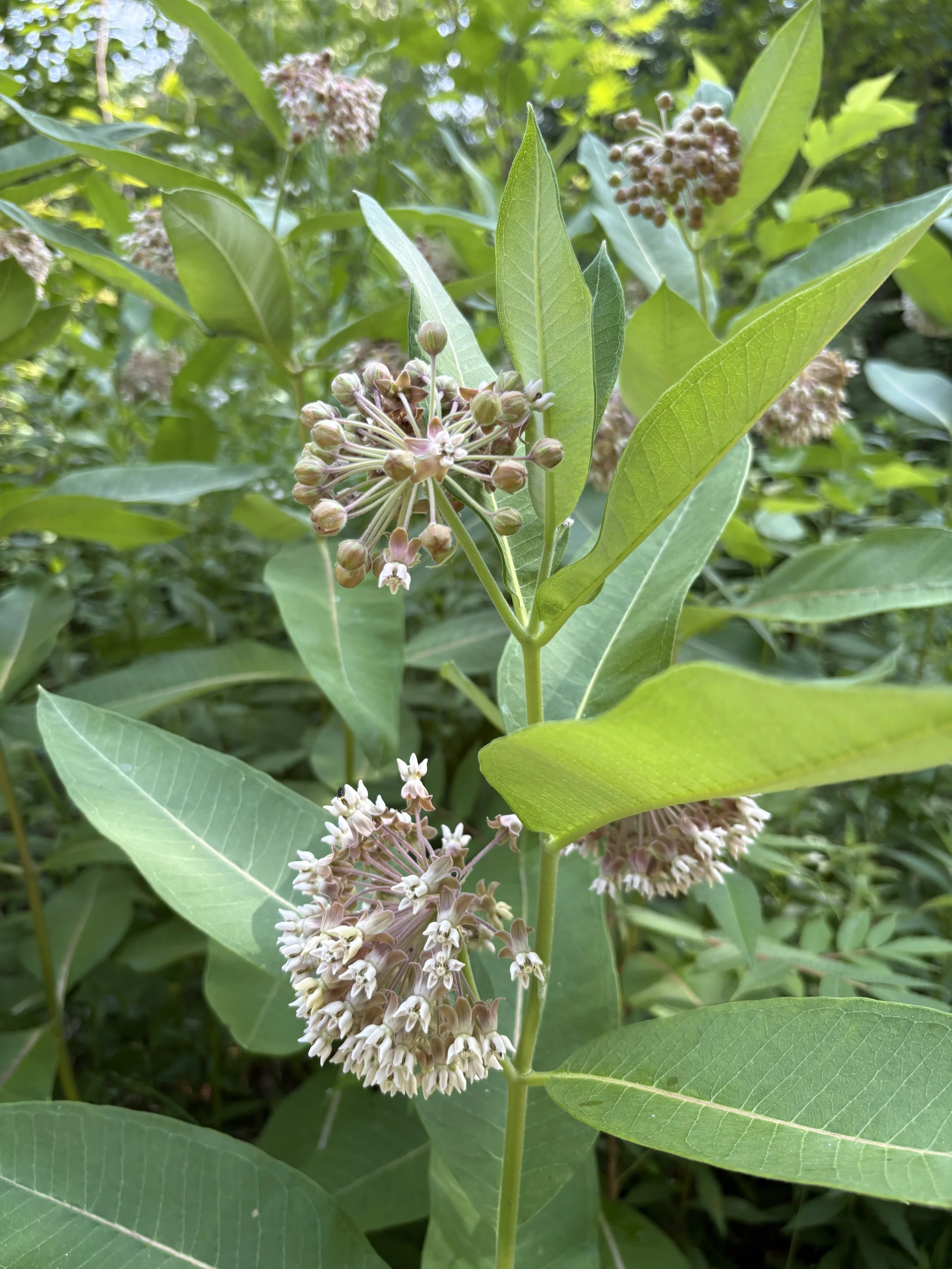
Asclepias syriaca, July 10, 2026

Meanwhile the milkweed (Asclepias syriaca) is now blooming, and I’ve seen the first Monarchs (Danaus plexippus) in the orchard. I’m eating broccoli and peas as I wait for the first apples. Although I heard today that the Yellow Transparents are dropping in Iowa, our first summer apples are still about a month away. I’ll be ready.

July 8, 2026

I spent the day in the big orchard up at Finley Lane scything, weeding and inspecting. It’s a huge job. Over four hundred trees. I dive in, and move along at a meditative pace. If I look ahead I might wonder if I’ll ever get done. With different eyes I can see how much joyful life still remains to be experienced. In any event the trees always seem to respond very well to the TLC. Weeding the trees is a wonderful way to spend these summer days.

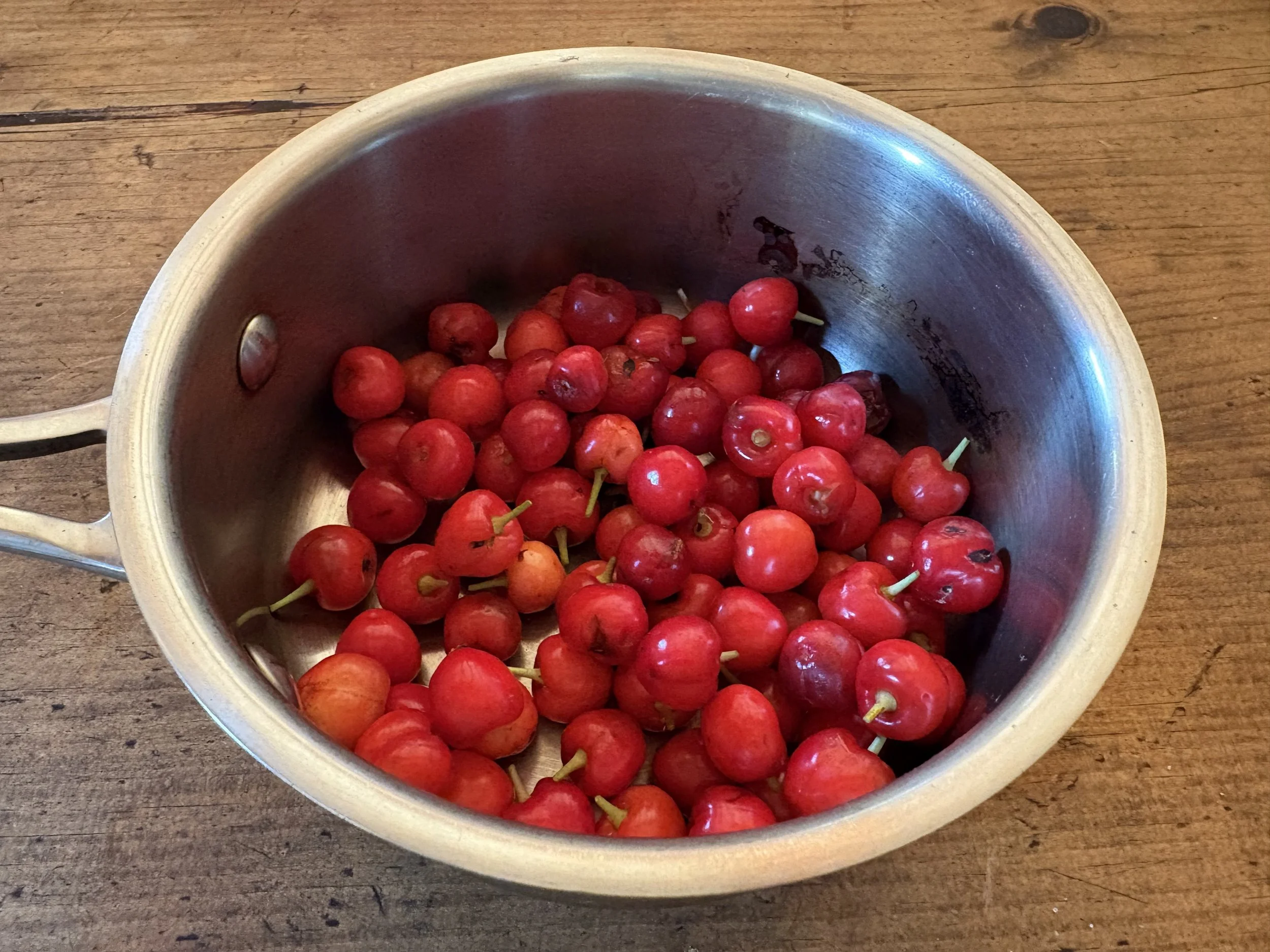
Surefire cherries, July 8, 2026

Today was also the day to harvest the Pie Cherries before the birds finish them off. Pie Cherries have mostly not done well here, but some years we do get a small crop. This year the “Surefire” tree is fruiting. They are incredibly tart. I’ll cook them up tomorrow and eat them with my oatmeal.

July 7, 2026

Spy exploring the new path

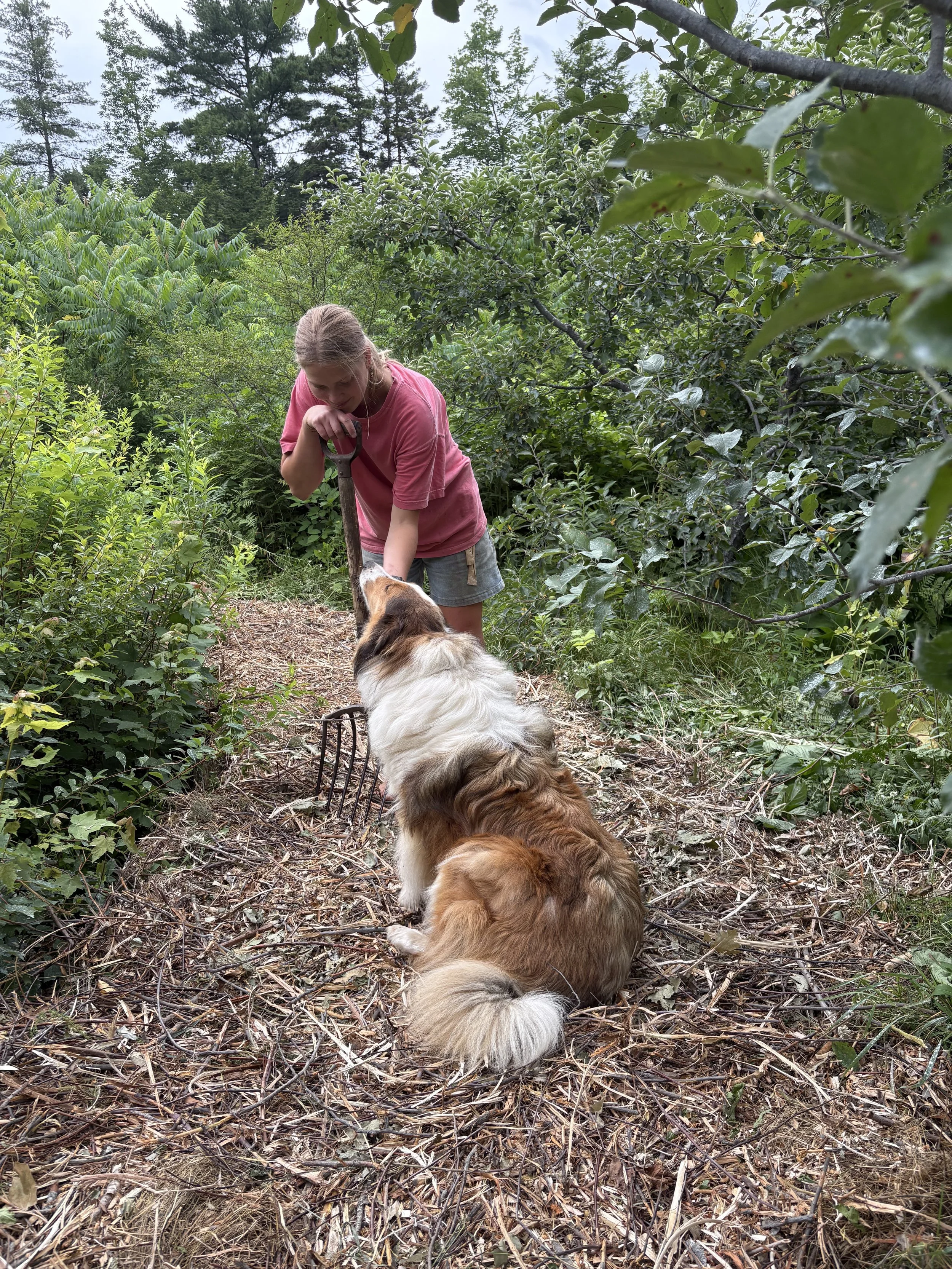
Skylar and I finished a path in the BRC orchard that I had begun two years ago by laying down a “corduroy” of rotting beech logs. You could call it a version of a hugel-mound (aka Hügelkultur). The side-by-side logs provided the base of the path. Today we covered the logs with a layer of old hay and then covered the hay with about four inches of fresh chips from our recent chipping effort. The new path will serve a number of functions. It gives us access to several apple trees that weren’t easy to get to. It will provide those trees with soil nutrients for the next thirty or forty years. It also creates an edge at the east end of the central pond in the orchard. It’s a job I’d been scheming about doing for years and it was great to have the opportunity to do it.

The weather has been prefect for working outdoors - not as hot and lots of sun. However, it is getting dry, and we do need rain. We could use a couple inches or more.

July 6, 2026

I spend a lot of time with plants here on the farm. Some days, I am with them for ten or twelve hours or more. Day after day. Deeply, deeply intimate. I typically spend more time with plants than I do with people. It’s not that I don’t like people. I love them. But this is a farm of plants, set on a planet of plants. The plant planet.

Now and then I hear of plants being called “sentient beings.” Sentient here suggests that plants have some sort of consciousness. That they are like us. Would “being like us” be a good thing? Would it be an indication of some sort of advanced nature? Would it put plants on our level? Would being like us be something a plant would aspire to?

The chipping crew, July 5, 2026

Maybe the question might be, “Are we like plants?” Or, better yet, “How can we be more like plants?” As I was sitting in the BRC in my old rusty metal chair this evening, surrounded by the deer flies and the apple trees, nettles, comfrey, the long blackberry canes, the bracken fern and so many others including the indigo plant that Cammy gave me this spring, I was thinking about how little I know. I wondered, “Will the plants forgive me?”

July 5, 2026

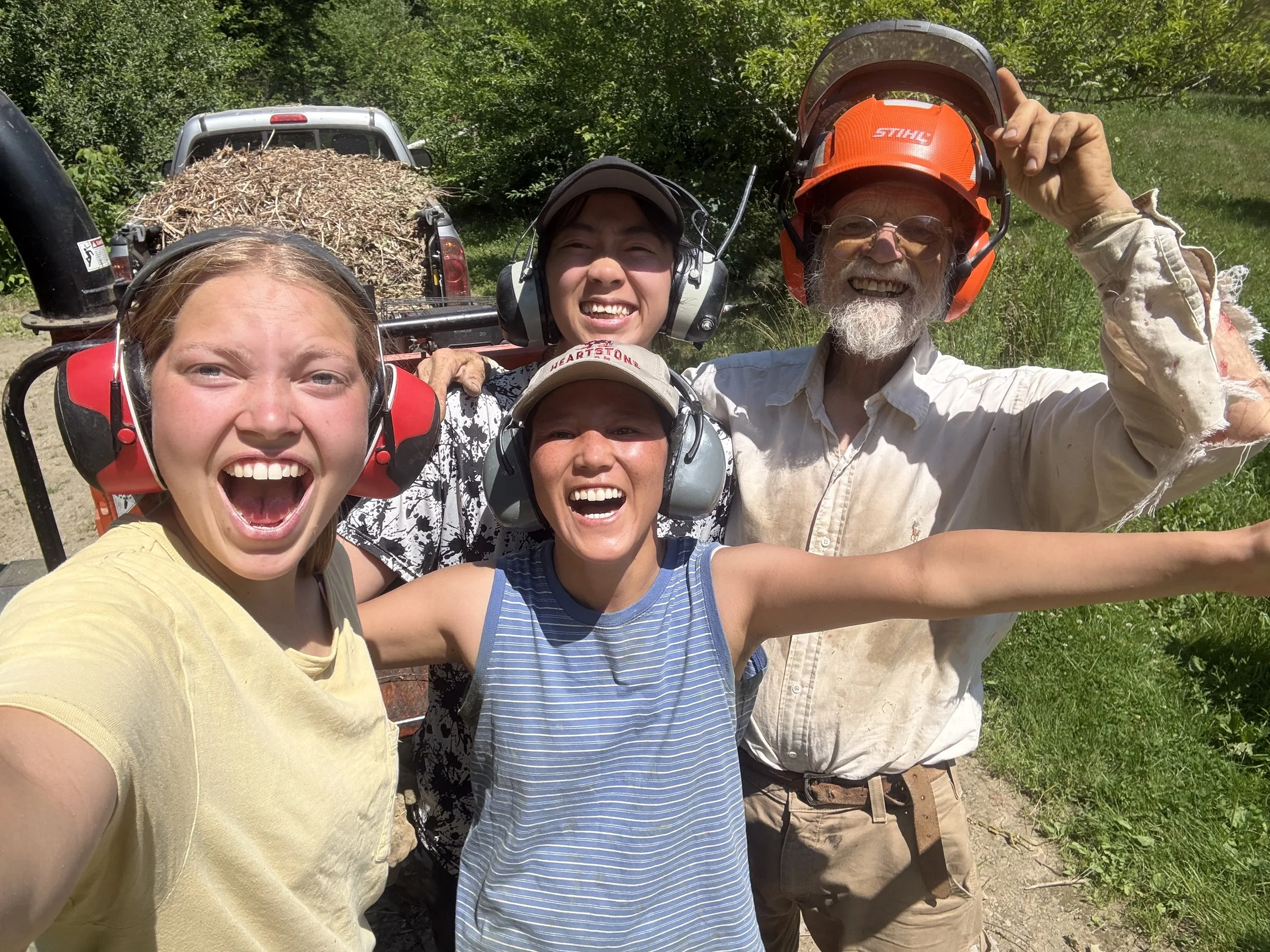
Chipping day is an annual event at Super Chilly Farm. We gather a crew, borrow a large pull-behind chipper from a friend and then chip up all the apple prunings from the past winter. Chipping the branches helps to break them down quickly and makes them perfect for mulch. The prunings become food for the orchard. Nothing goes to waste.

The chipping crew, July 5, 2026

Someone (mostly me) stands by the chipper and feeds in the branches one right after another while everyone else drags material from the closest pile. It’s extremely loud, hot, fast, and relentless. It’s a marathon and a sprint rolled into one.

Today I was joined by Skylar and her friends Tsering and Asi. The four of us chipped all day and miraculously got everything done by 6:30. Nearly two hours to spare before dark! It was a gargantuan effort, but we had time for a delicious cold, noodle salad lunch on the porch.

July 4, 2026

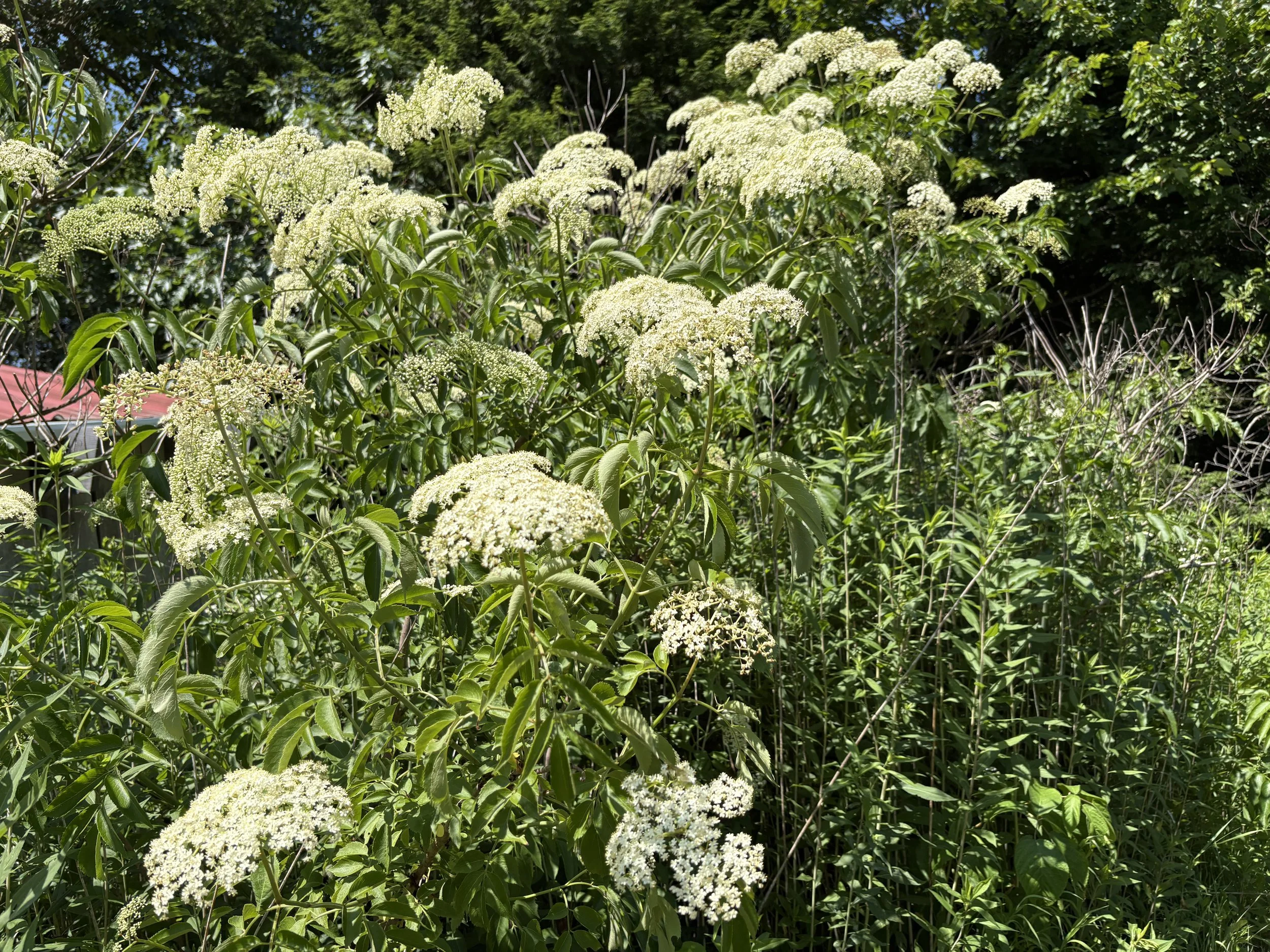
Elderberries, July 4, 2026

I worked in the orchards all day with a quick trip to John’s Ice Cream at mid-day. (It was joyfully crowded.) I was again cutting out major amounts of fire blight. I fear this will be an ongoing task for the rest of the summer as more strikes appear.

The Elderberries (Sambucus canadensis) are now in bloom. The medicinal plant is naturalized throughout the orchards and the farm. We’ve also planted various cultivars over the years although, if you have the wild native seedlings, you’re probably all set. And if you have more flowers than you need, you can dip them in batter and make elder-flower pancakes - a great breakfast for a warm and sunny July 4th. 

Speaking of which, while it can be challenging to remember the dates of some of our US national holidays, this is one I never forget. Maybe we should rename all the holidays as dates. I suppose that would present its own set of challenges since quite a few of them vary from year to year, depending on when Thursdays show up in November or the first Monday of September.

Anyway, July 4th is a special day in the orchard. Or maybe I should say, the root cellar. Today is the day we traditionally pull out the last of the Black Oxford apples (aka The July 4th apple) and put them to the test. Tonight Skylar and her friends made Black Oxford pizza. It was delicious. As expected, the apples fared well after eight months in storage. What a great apple.  

July 3, 2026

Valerian, July 3, 2026  

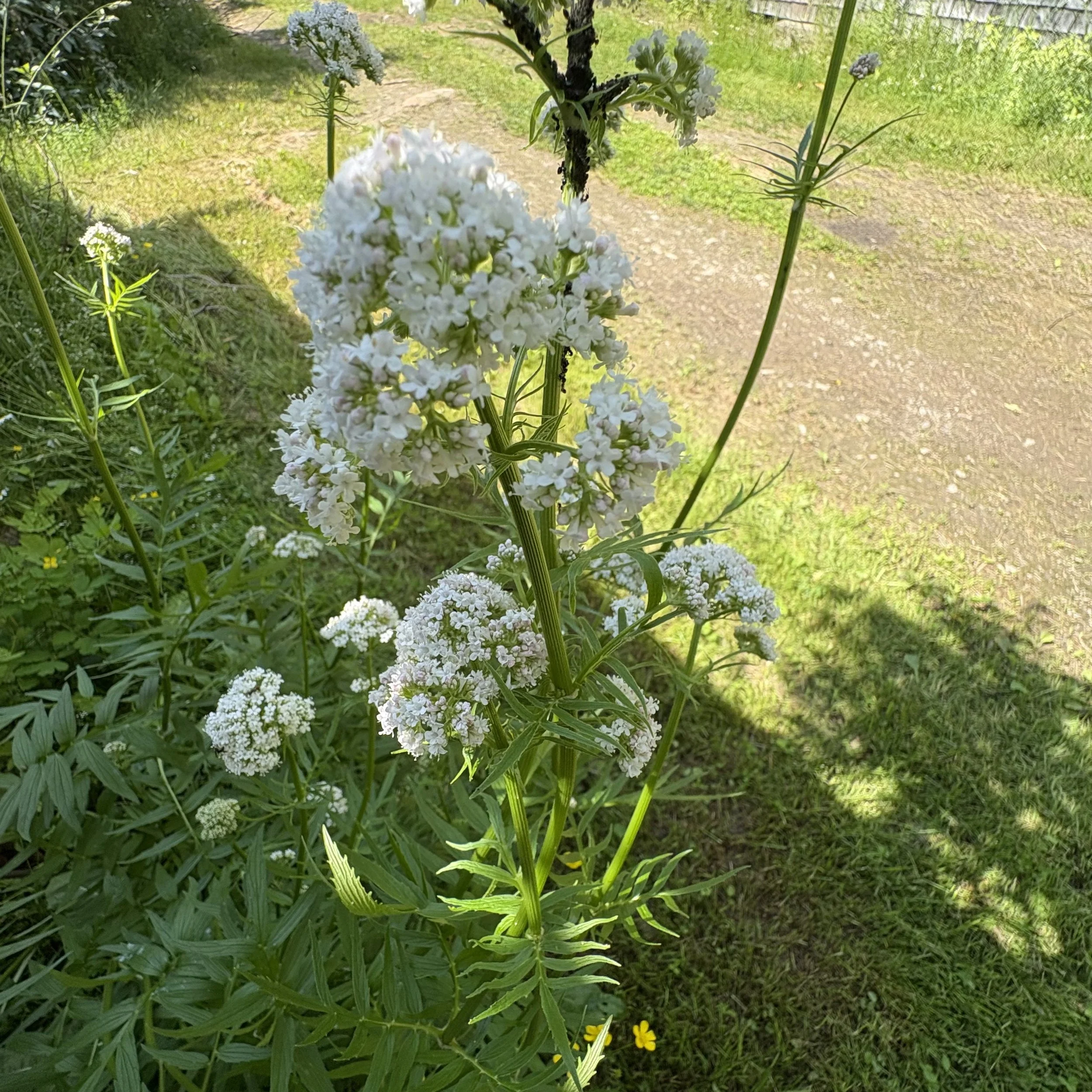
The Valerian (Valeriana uliginosa), aka Marsh Valerian, is now in bloom. Valerian is native to New England though apparently rare. Although the white flowers vaguely resemble Yarrow, the foliage is quite different. I dug up a clump by the side of the road in Lincolnville (about 25 miles from here) 45 years ago. It liked the farm and though it spread slowly, it is now well-established. Occasionally I dig up part of a clump and move it to another part of the orchard where it generally seems happy to relocate. It then spreads by seed. The root is medicinal. Today’s photo show one blackened stem where ants have collected and are feeding on aphids.

Today was another early spraying of the same mix of herbs, sea products and Dipel on more of the orchard. Though still hot, the temperatures weren’t quite so brutal as in the past few days. We also collected brush for our upcoming chipping party.

July 2, 2026

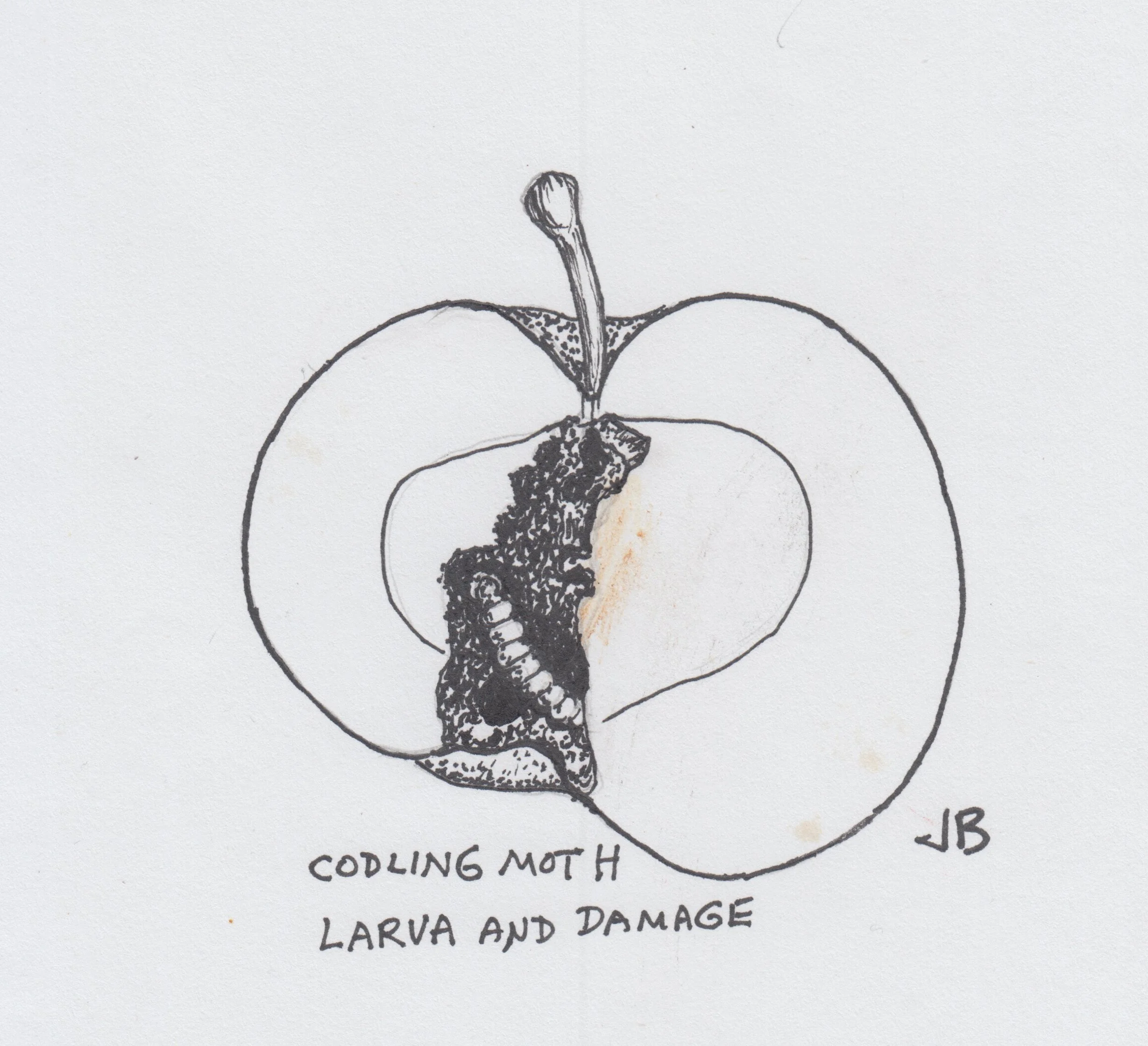
It’s early July, and that’s Codling Moth time in the orchards. If left unchecked, CM (Cydia pomonella) can be quite destructive to apples, rendering them unfit for anything but the cider press. (Is that a bad thing?) Even though we love to press apples into cider, we also love to cook them, eat them fresh and sell them. So we’re forever exploring ways to minimize CM impact on the fruit. 

We got up early and sprayed all the orchards with Dipel (Bacillus thuringiensis, subspecies kurstaki) combined with liquid fish, liquid kelp, effective microbes and a chilling array of fermented herb teas, including comfrey, nettles and others (you name it.) The trees seem to enjoy the refreshing, reinvigorating shower despite the intense “fragrance.” If for no other reason, I think the Codling Moths are going to be so baffled by the smell, they’ll leave in dismay. I hope.

July 1, 2026

Fleabane, July 1, 2026

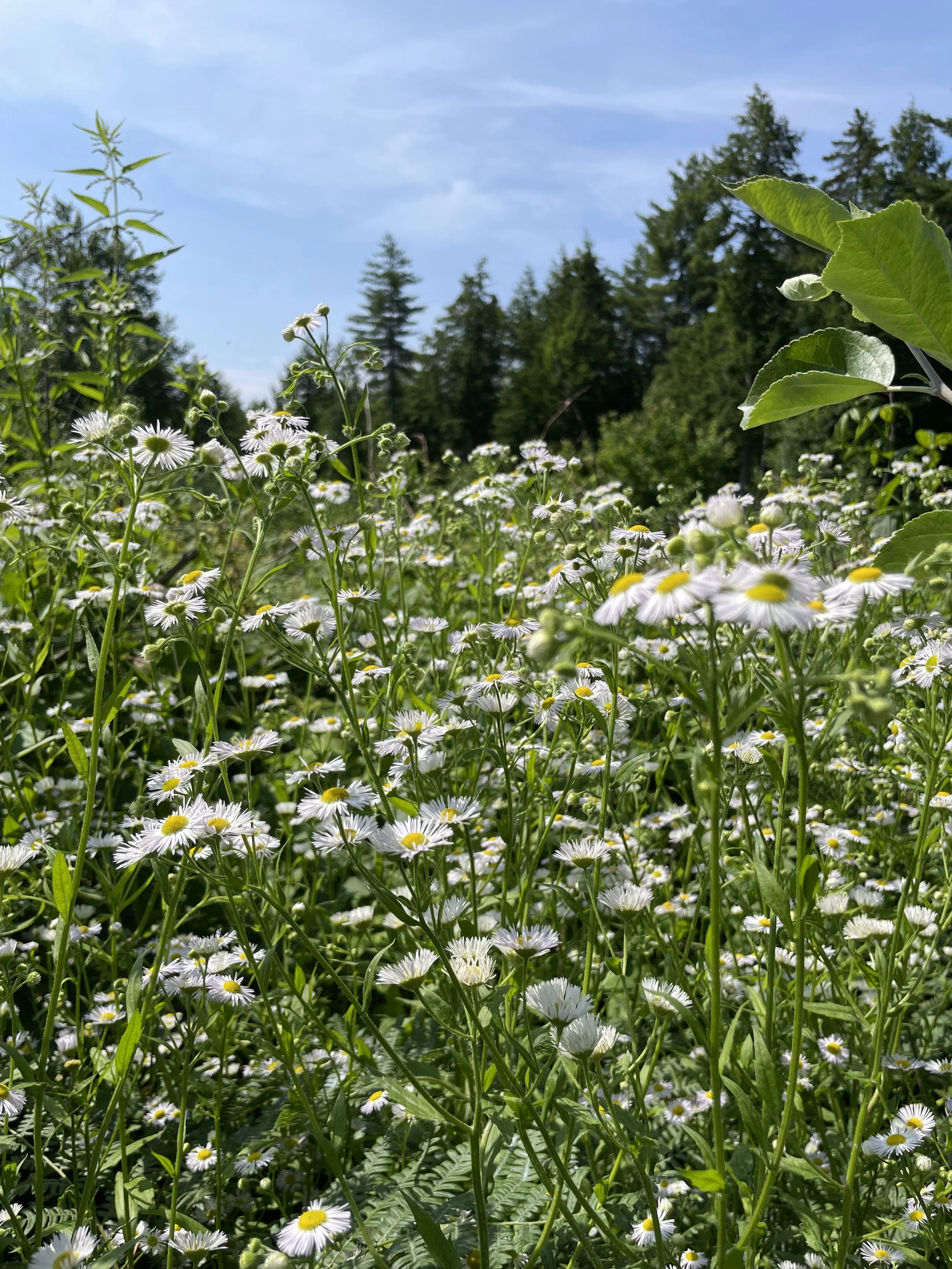
(By Skylar Bodeo-Lomicky) We dedicated the day mainly to the BRC orchard - the area of the farm that I have spent the least amount of time in this year. A pair of Common Yellowthroats called to each other from the Tolman Sweet tree. A sweat bee (family Halictidae) visited a patch of yarrow. Another sweat bee joined the first, this one further along in her expedition, hind legs thick with pollen. I walked down the rock steps to the pond. It didn’t take long to see the life this water fosters: green frogs, tadpoles, mosquito larvae, whirligig beetles and backswimmers. The collies waded out into the pond, drinking and trying hard to cool down. Behind the Trailman tree, a cluster of chest high fleabane bloomed, as if existing in its own dimension. How does this vast landscape fit inside the BRC when I know a row of apple trees grow not far behind? 

By dinnertime we had cleared brush around a dozen or so BRC trees; established a bed of shiitake mushrooms in the raspberries by the house; harvested a handful of plants for experimental use in water kefir, plant dyes, and tea; and watered the vegetable gardens. Satiated by the sun and daylight dwindling, we called the workday done. 

June 30, 2026

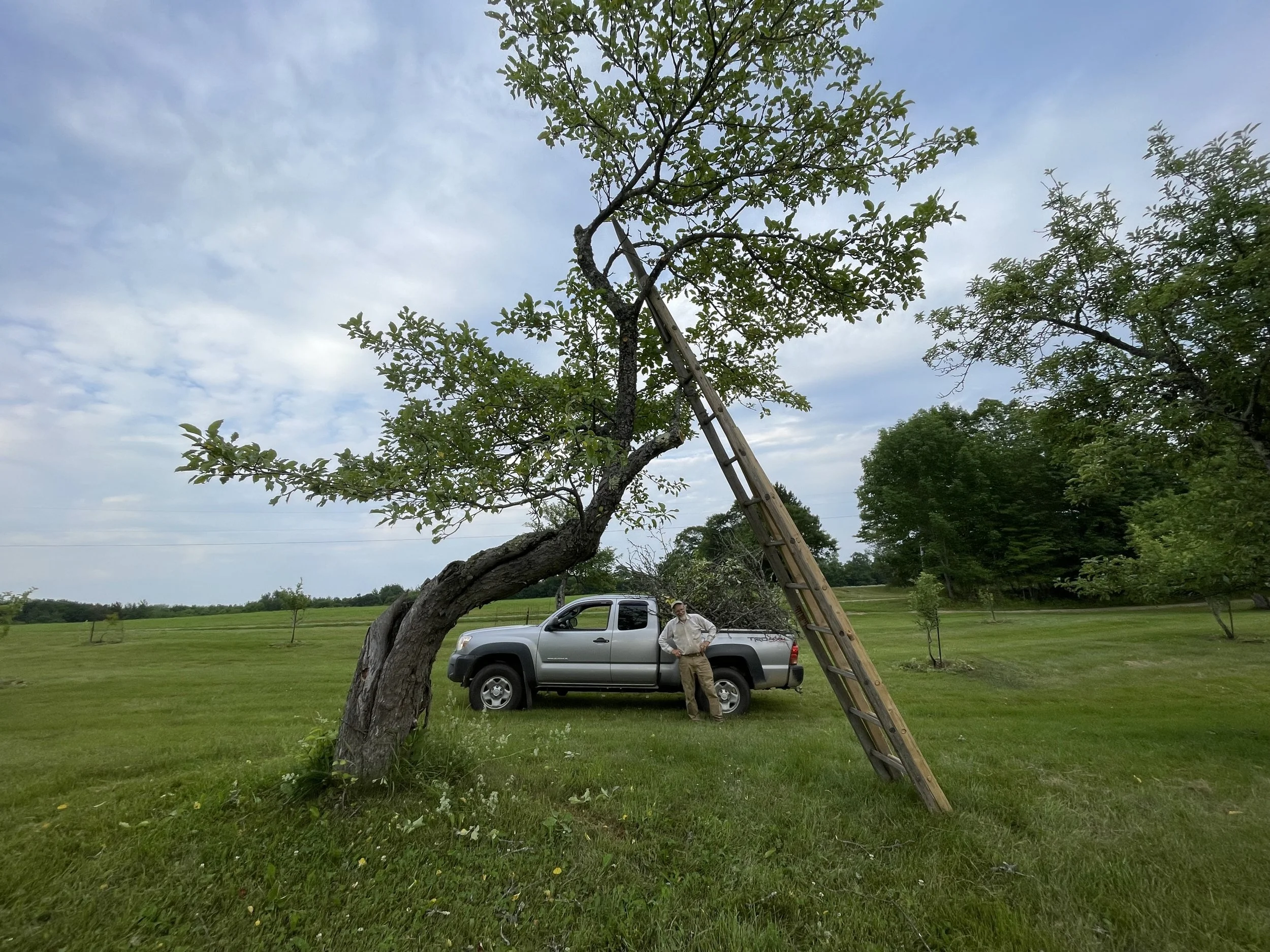
Be careful where you lean that ladder. It might be the ladder that broke the old Camel’s back.        

We weeded several dozen young trees at our neighbor’s orchard up the road. I’ve planted nearly a hundred trees up there in recent years, filling in blanks in their old family-orchard of Ben Davis, Stark and Wolf River. The original trees were planted about 1900. Most are gone but about twenty remain. I’ve added mostly traditional central Maine cultivars with a few odd favorites slipped in here and there. I also brought up the ladders and pruned out dead wood from the old trees. A few of them look as though 2026 might be the end of the line, but they’re hanging in there.

June 29, 2026

Dianthus armeria, June 29 , 2026

We continued weeding the youngest trees up at Finley Lane. We also cut out more fire blight on a number of the older trees. There are fire blight strikes throughout the orchard though, so far, knock on wood, it seems manageable. 

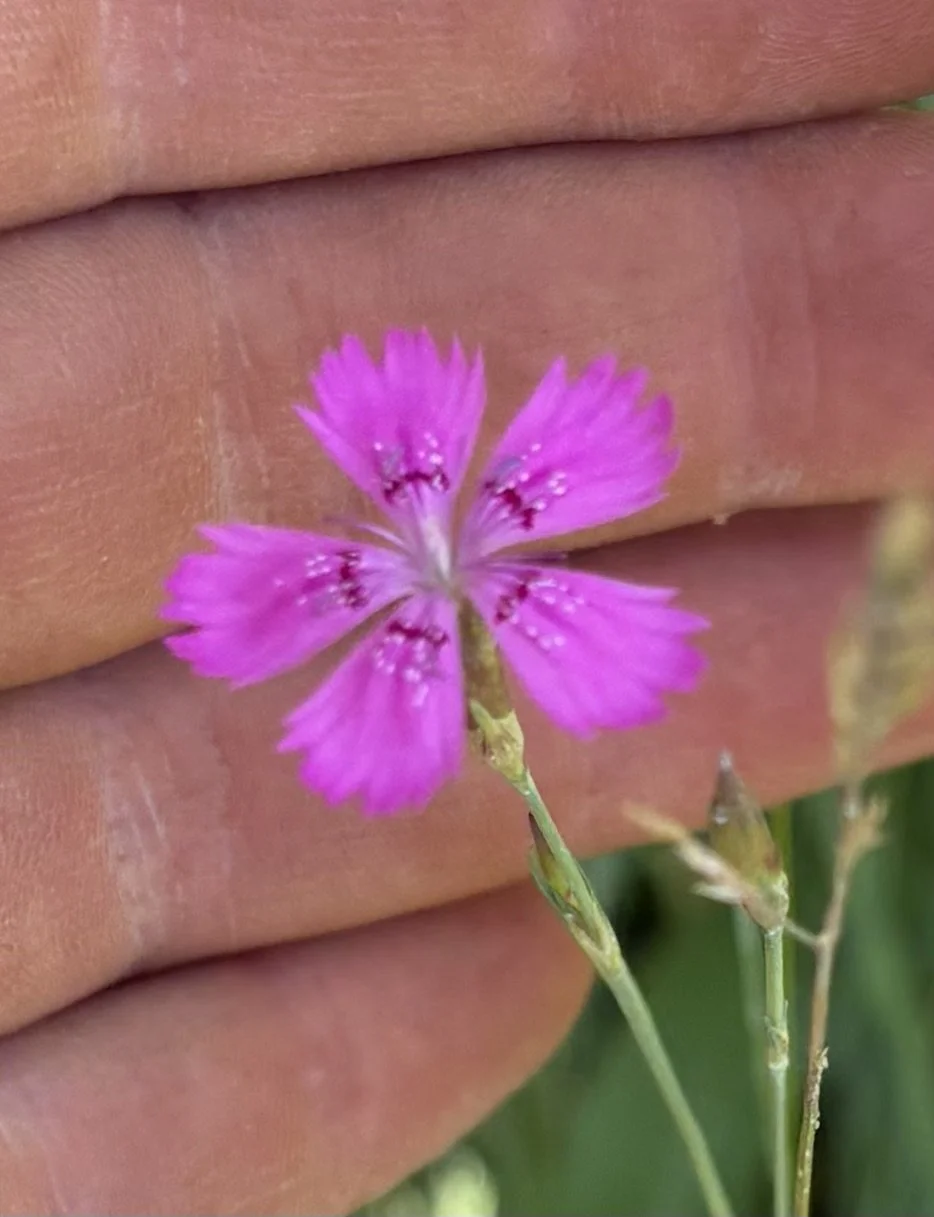
The low-growing herbaceous Deptford Pinks aka Mountain Pinks (Dianthus armeria) are now flowering. They have small five-petaled soft-pink blooms. They’re scattered here and there in clusters throughout the orchard. The flowers are always worth a close examination. With their tiny red ring and white dots surrounding the center, they are absolutely amazing. We just call them “Pinks.”      

June 28, 2026

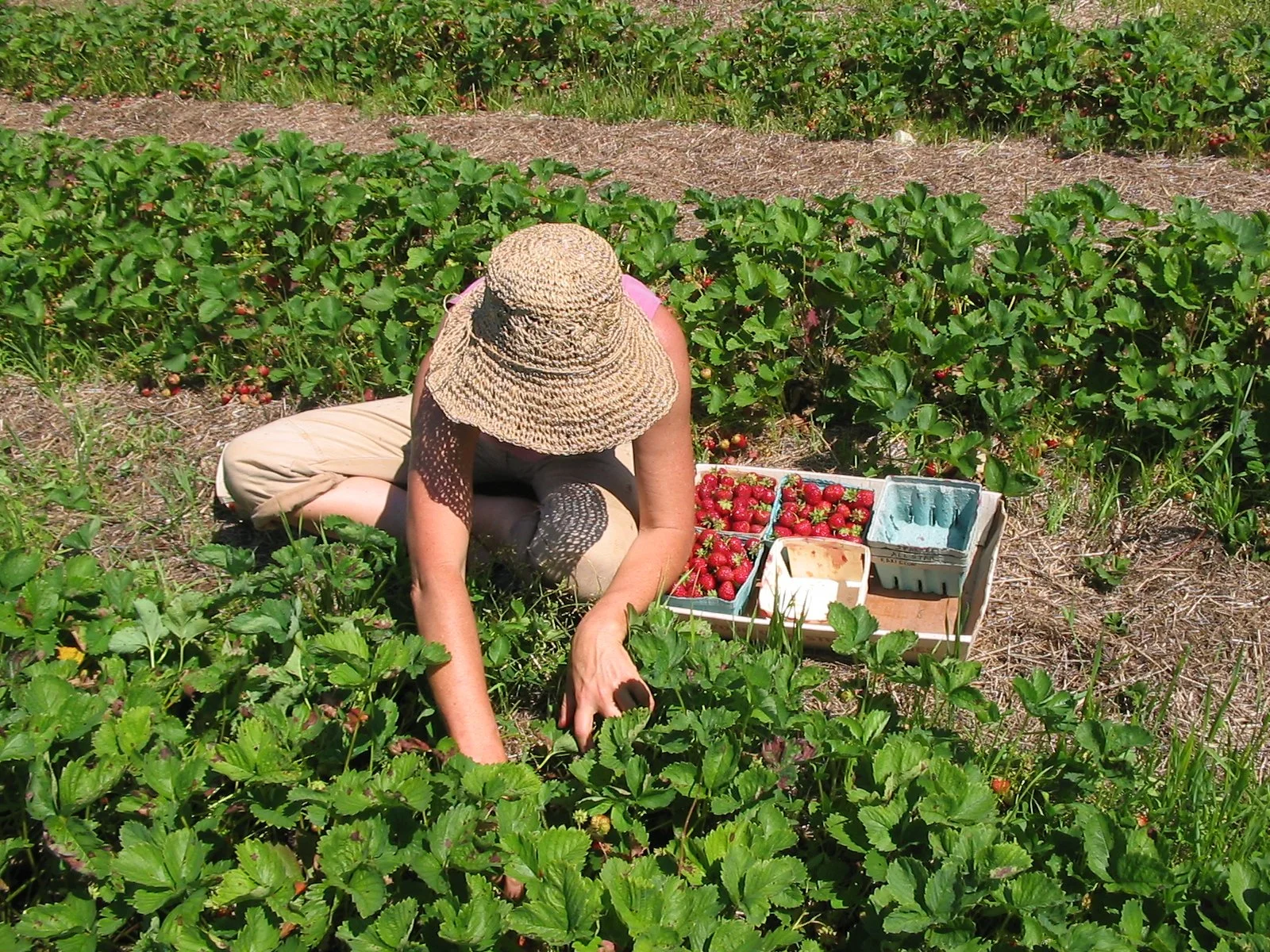
This morning Cammy and her friend Deb Soifer went to Sheepscot General in Whitefield to pick strawberries. We grow strawberries here on the farm but have never had the kind of success that the commercial growers do. I think it’s something about having many row-feet of plants. Over the course of an acre or so, you’re bound to get some decent production. When you have only a few rows, there are not enough to “share “ with the birds, chipmunks, slugs and ants who always seem williing to eat them the day before they turn ripe. And, of course, it's always fun to get out there and see the crowd of humanity all picking on a summer morning.

And what about the name “straw” berry? After decades of extensive research and deep thought, I’ve come to the conclusion that the name stems from the convention of laying down straw mulch between the rows of berries for the pickers to sit on as they “sample” the fruit and chat with fellow pickers. And maybe even pick a few berries to take home for the freezer. Which Cammy did. We were de-stemming strawberries well after 10 PM as the Sox came from behind to beat the Evil Empire (the Yankees) four in a row. Four in a row! 

Papilio glaucus, June 28, 2026

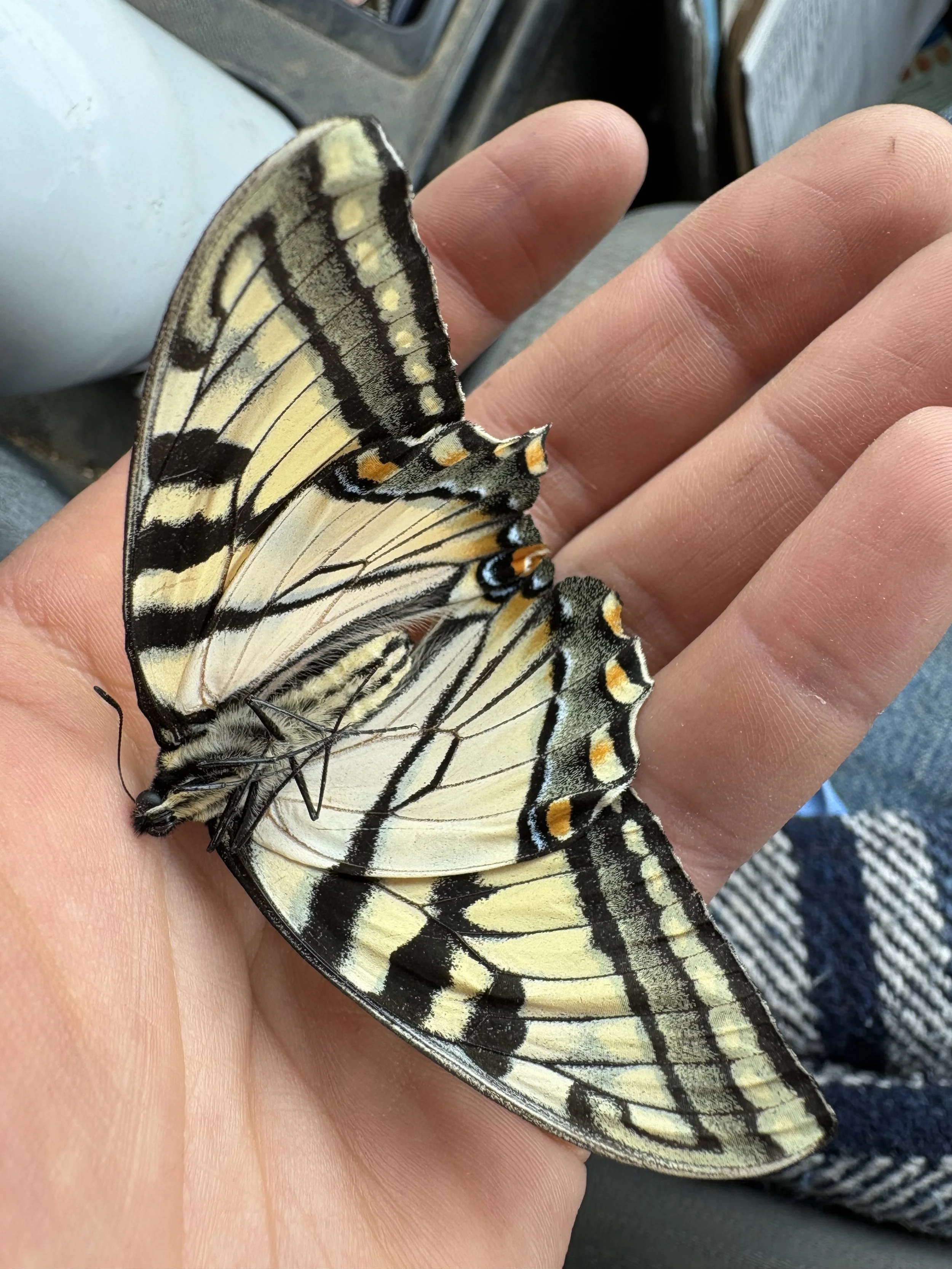
You may have noticed the tiger swallowtail butterflies (Papilio glaucus) are back. We’ve been seeing them for a couple of weeks now throughout the orchards and even along the driveway. They are black and yellow. Not the yellow of the potentilla but still, quite stunning.  

June 27, 2026

It’s summer in the orchard but still not too hot to spend all day out there. I spent the morning cleaning up prunings that are still scattered around and cutting out more fire blight. Vilberie is a one of those apt to get hammered, and this year it did. It’s a late-season English bittersweet that leafs-out late and blooms late. We have two trees. Both got hit. Still we keep it. I like late-ripening fruit, and Vilberie has great potential for our cider despite the challenges.

In the afternoon we mulched and covered the potatoes with row-cover fabric. We use the “Agribon” year after year, taping (decorating?) the inevitable holes with pieces of duct tape. The fabric does a good job of protecting the plants from the Colorado potato beetle (Leptinotarsa decemlineata) without resorting to spray or picking the beetles and larvae off the foliage which is laborious (and gross) but does work. We prefer the fabric. We also weeded and back-filled in a new asparagus trench. We plant the asparagus in foot-deep trenches, filling in the soil as the plants emerge. It’s an old method that has proven to be tried and true.

Fenway Park lives! June, 2026

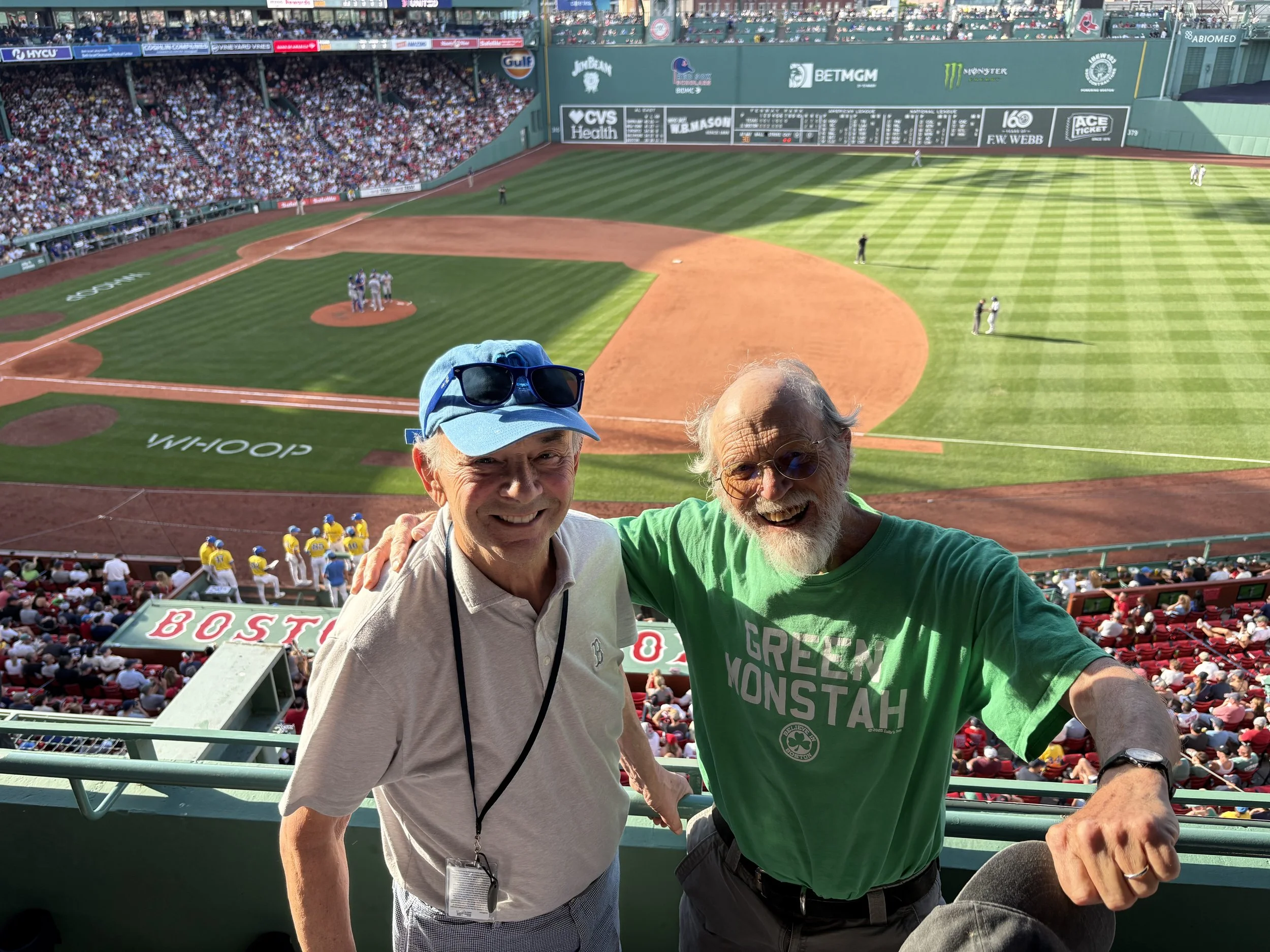
Meanwhile the Sox beat the Yankees for three in a row. Unexpectedly good news. (The Sox have had their challenges this year.) I did make it to a game with a good buddy a couple weeks ago on the spur of the moment. Fenway Park is a living orchard too. The grass is so green! (They do need a few apple trees.)

June 26, 2026

Potentilla norvegica, June 26, 2026

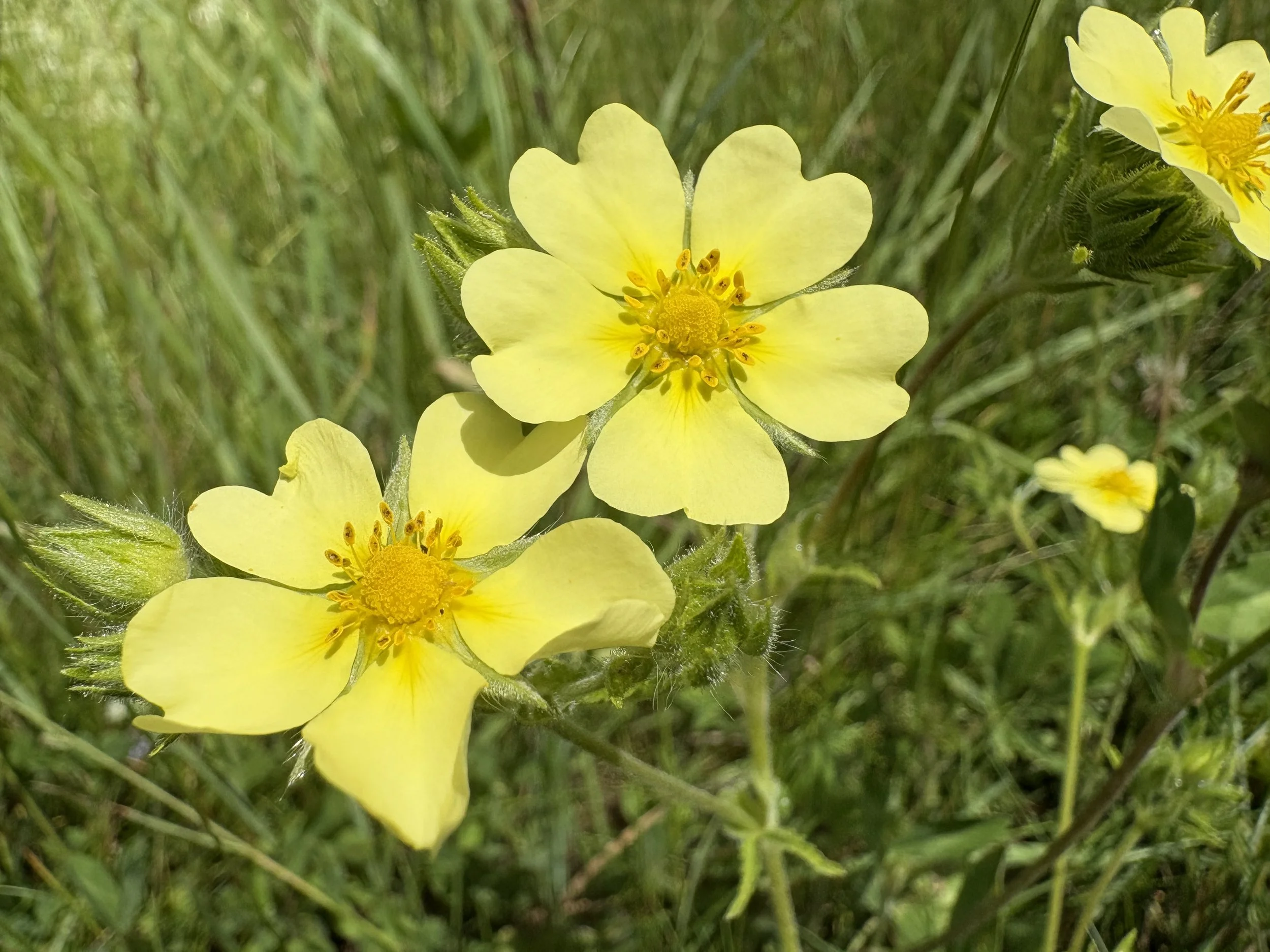
The low-growing, yellow-flowering, herbaceous Potentilla norvegica is now in bloom here and there throughout theorchards. I love them. Although Potentilla norvegica’s common name is Norwegian Cinquefoil, it’s likely native to central Maine. It’s definitely found a home here on the farm. The genus Potentilla includes a rather amazing five hundred species around the world, both woody and herbaceous with flowers of nearly every color in the rainbow. In a world often polluted with garish and electric colors (including some of the selections of Potentilla), Potentilla norvegica’s yellow is subtle, soft, and magnetic. Subtle, soft and magnetic: not a bad combo.

June 25, 2026

The past two days have been exceptionally glorious (how’s that for superlatives) in the orchards and gardens on the farm. And they only get better as evening approaches. It’s tough to come in for dinner before 8 PM. It’s just too nice out there. But, alas, I did.

We have been weeding, cutting out fire blight strikes and doing some planting in the nursery. We’ve removed most of the fire blight strikes now. but I’m still checking every day. We planted another 50+ apple seedlings. These are primarily OP seedlings of Kingston Black and Charlamoff. Kingston Black is that famous English bittersharp cider apple that’s also famously difficult to grow. But, wow, it does make nice cider. Last fall we dabbled in cooking with KB, and it performed well. Charlamoff is a Duchess-type that I suspect could make a superior home-grown standard seedling rootstock. It is also a great cooking apple.

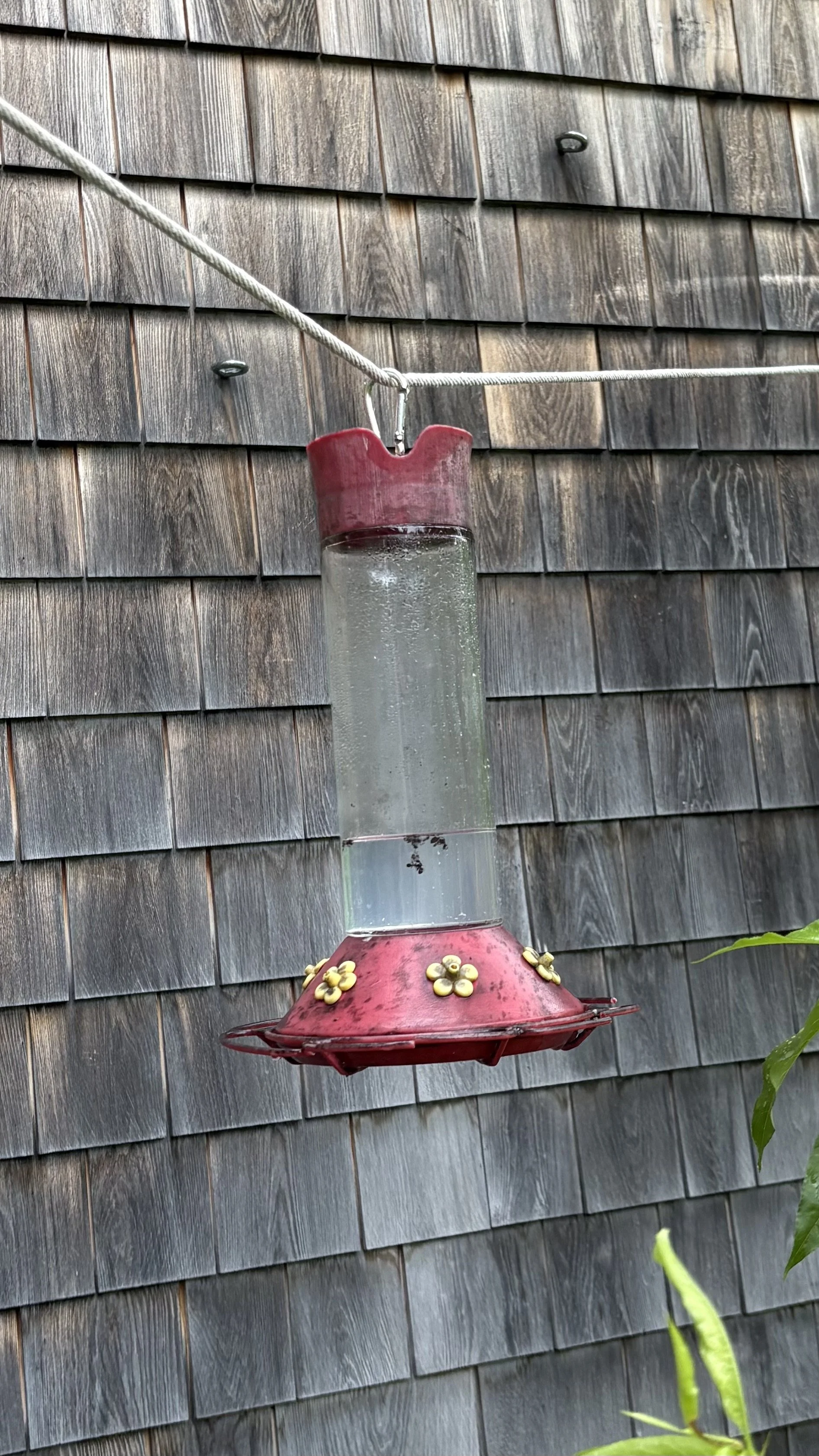
Time to get rid of the ants and add new sugar syrup

The feeder is pretty quiet these days. We aren’t even keeping it full. If anyone drops by to say hello, it’s the Bluejays and the Mourning Doves. The Hummingbirds, on the other hand, are still visiting the hummingbird feeder multiple times a day. They are our summer-time pals. Although we only get the Ruby-throated hummers in central Maine (Archilochus colubris), they are endlessly entertaining. Twice I’ve handled a humming bird. Both times I was able to perform rescues of hummers caught inside a building where the door should have been closed. Two fantastic moments. They are so small. And I’m positive that they knew I was there to help. Keep those doors closed in the summer!

June 24, 2026

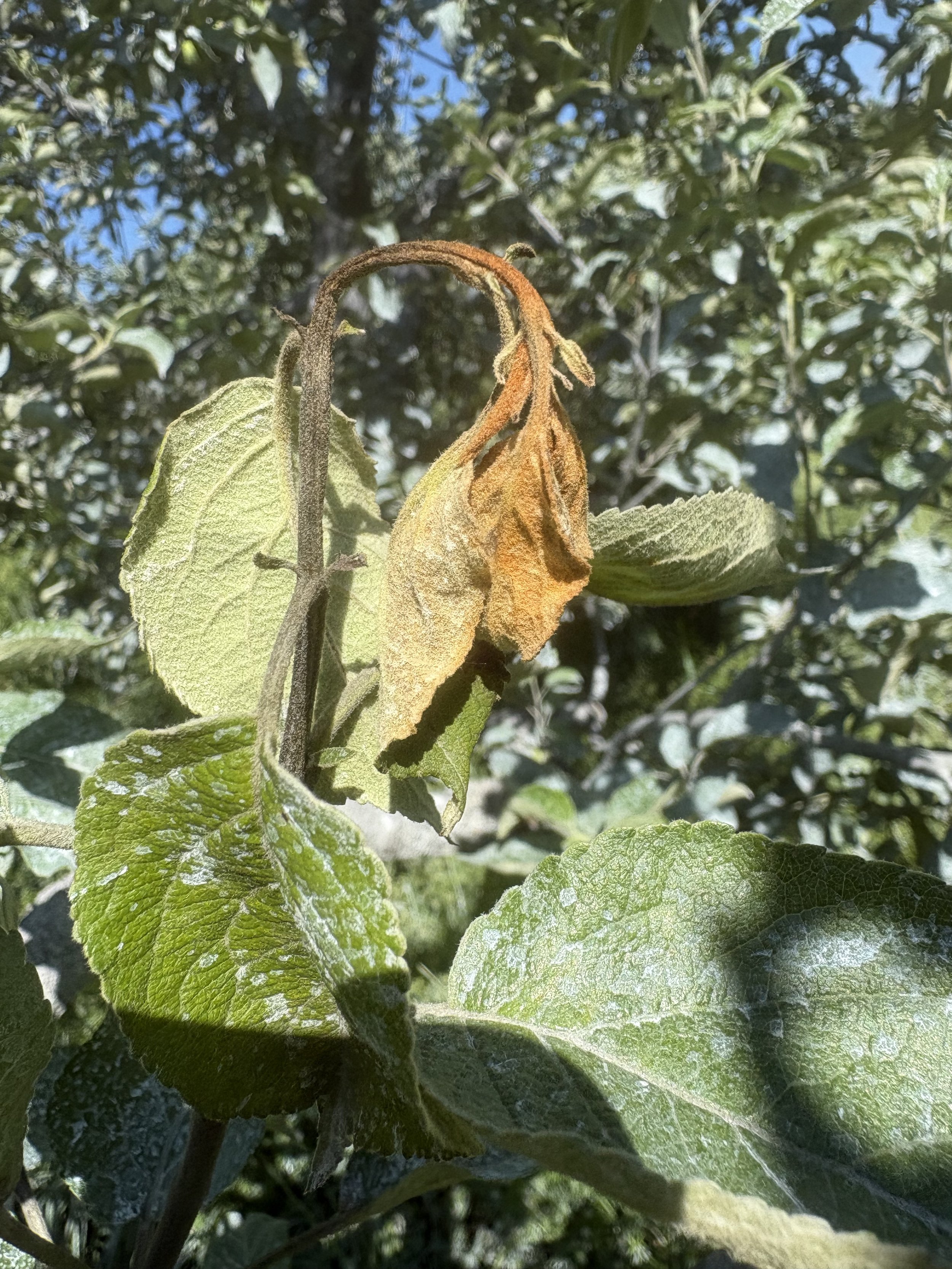
A small fire blight strike, June 24, 2026

Today we snipped off dozens of mostly small fire blight strikes from infected trees around the orchard. The majority of damage is concentrated in one small area of about an acre, which is the same area that was the hardest hit in 2020, the last really bad year for fire blight. Other areas of the orchard—even with the same cultivars—have no strikes at all. Could it be that the bacterium has been lurking in that one area for the past six years, waiting for the right conditions to return?

Skylar harvested several wheel-barrow loads of comfrey from around the apple trees and filled a large barrel. She then filled the barrel with water. The comfrey will steep and ferment for a week or so and then we’ll spray the comfrey tea on the apple trees.

June 23, 2026

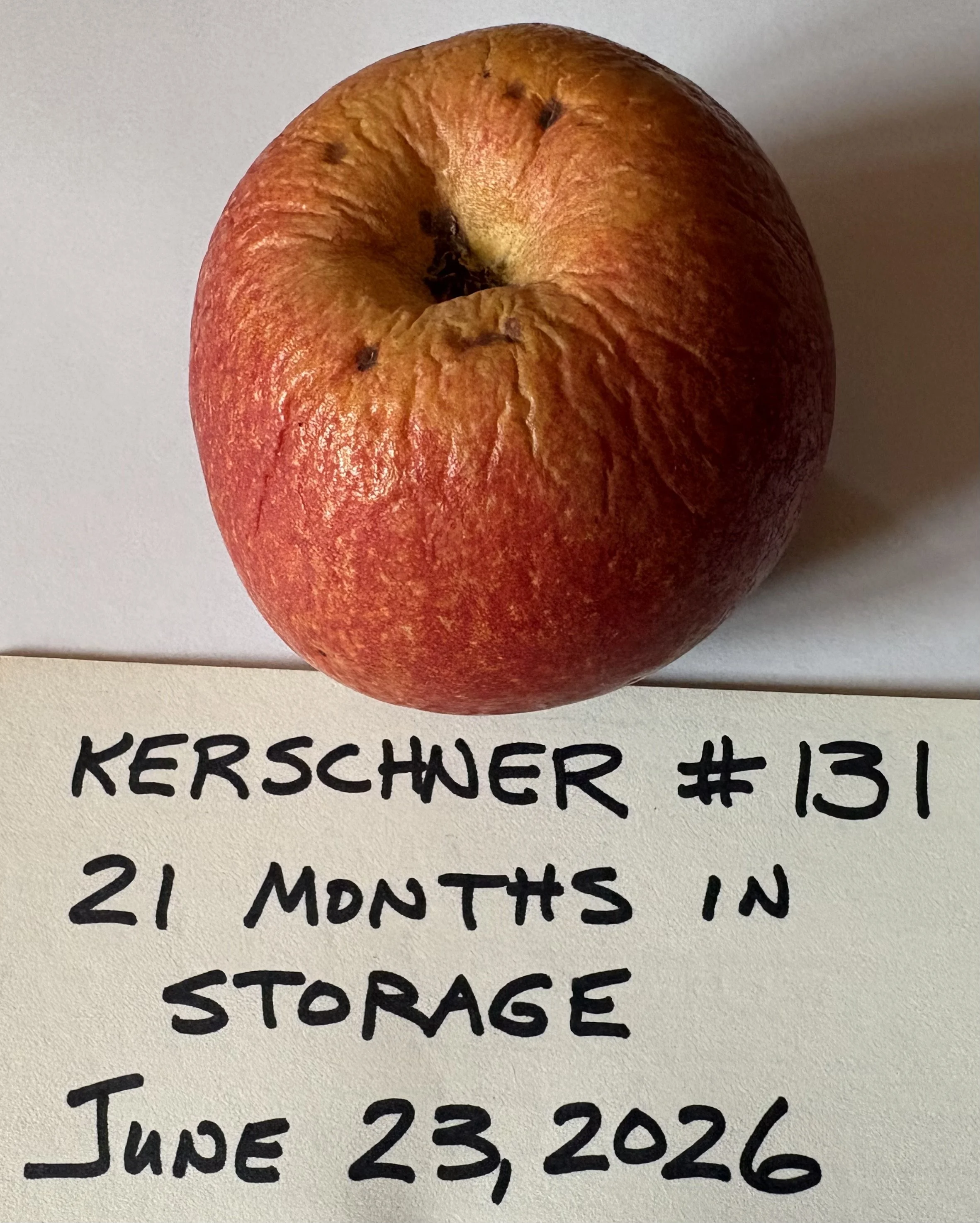
It rained all morning so I began the annual process of cleaning out the root cellar. As you might imagine, most apples were ready for the compost pile. But some were not. Those still in good shape were set aside to check out in the next few days. As I looked through dozens of bags, I came across a small box that still had the mailing label dated September 9, 2024. With a bit of trepidation I opened the box. In it were several apples that looked like dried prunes (no surprise). But wrapped in a small piece of newsprint was one apple in almost perfect shape. It had been in the root cellar with no refrigeration for an unbelievable 21 months! Incredible. It did have a couple of rotten spots. We’ll forgive it for that.

The apple in question was labeled #131. It’s a seedling, selected by breeder and friend, Ike Kerschner of North Star Orchards in Pennsylvania. Our tasting notes from September 16, 2024 include, “juicy, crisp, subtly tart” and more tellingly, “skin is too thick.” Maybe it’s that thick skin that enabled the apple to keep for nearly two years. Although we have several of Ike’s apples on trial here, we don’t have #131. I’ll graft it next spring and see how this super keeper apple likes it here in central Maine.

June 22, 2026

As we plunge into summer, weeding in some form or another may be our #1 activity. I suppose that can be a bit overwhelming. Some might even say, depressing. “All we do is weed!” But I don’t think of it that way. It’s actually not really weeding at all. It’s all about compost ingredient acquisition. AKA compost creation.

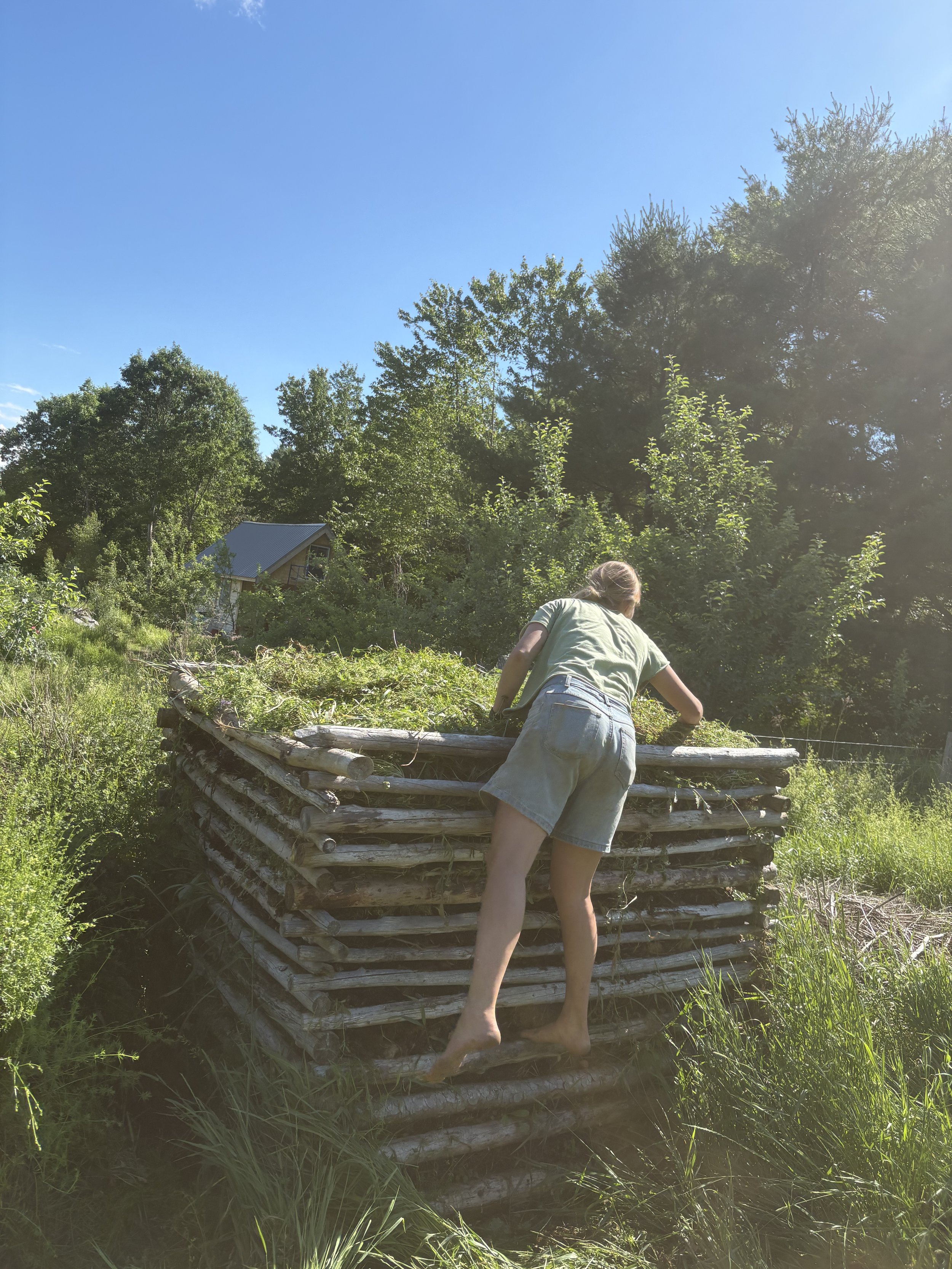
Layering the compost

Although we do purchase a few soil amendments from time to time, the primary fertilizer on the farm is compost, compost we concoct right here. And the largest ingredient by far is plant material. Where do we get most of the plant material we put into the heaps? From the gardens and the nurseries of course. We grow it. We grow our compost. We grow it in our high quality soil in between our young apple trees. We grow it next to our lettuce, spinach, corn, kale and broccoli. You might even say, compost is our most important crop. After harvesting, the weeds go into our layered heaps for a year or two before returning as “black gold” to the gardens and nurseries to feed the next generation of compost plants of the future.

June 21, 2026

Sparkle, it’s summer.

It’s summer, glorious summer! The solstice was last night at 10:22 eastern time. It’s time to go jump into some water. Fantastic fruit will be coming our way soon. Strawberries. Raspberries. Blueberries. And… in only about four and a half weeks: apples. It’s been a good year so far. A suitably cold winter, a slow, cool spring with no scary warm stretches, plenty of rain, plenty of sun. Despite the recent Fire Blight and the ever-curious and sometimes chaotic behavior of those weird creatures we call humans, the apples trees are once again—as they’ve been doing for the three million years (or so)— sprouting new leaves and a dazzling and mind-blowing assortment of fruit. Let summer begin.